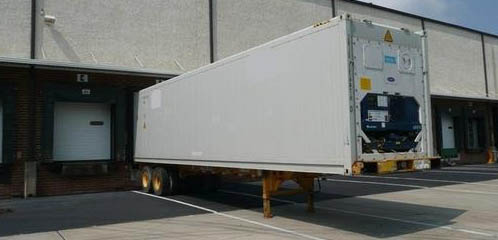

 The Bureau of Customs (BOC) is now allowing the 100% physical inspection of alerted agricultural shipments in reefer containers to be conducted at the consignee’s warehouse in the interest of expediting examination of the perishable shipments.
Customs Commissioner Isidro Lapeña, in a memorandum dated August 7, said, however, that this procedure comes with conditions.
For one, reefers containing agricultural products must be subjected to 10% examination at the container yard first. If there is no adverse finding, then 100% examination can be done at the consignee’s warehouse.
Moreover, for shipments subjected to the “special stop” mechanism of arrastre operators, the special stop should not be lifted until the customs guard who will undertake the continuous underguarding is ready. Special stop, under Customs Memorandum Order (CMO) No. 07-2018 (revised rules on the issuance and lifting of electronic and manual alert orders) is a mechanism of arrastre operators that puts on hold shipments at Manila International Container Port and Port of Manila that have been issued alert orders.
Reefers containing agricultural products should also be subject to continuous underguarding by BOC personnel from the port to the consignee’s warehouse until examination and payment of duties and taxes are completed.
The 100% examination at the consignee’s warehouse should be conducted immediately by the assigned customs examiner, to be witnessed by representatives from the Office of the Commissioner, Office of the District Collector, Enforcement Security Service, Customs Intelligence and Investigation Service, representative from the concerned regulating agency (i.e., Bureau of Plant Industry, Bureau of Animal Industry, Bureau of Fisheries and Aquatic Resources, National Food Authority, Sugar Regulatory Administration), and the consignee or his authorized representative.
Upon the request of Agriculture Secretary Emmanuel Piñol, BOC has been subjecting all agricultural shipments to physical inspection for more than three months now as a way to curb smuggling of agricultural products. – Roumina Pablo