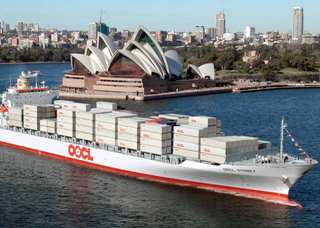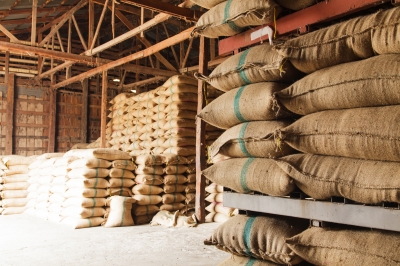

 The Bureau of Customs (BOC) has filed smuggling cases against two firms for allegedly misdeclaring over 4.2 million kilograms of rice worth over P130 million that they brought in through the Manila International Container Port (MICP).
Charged were the owners and customs brokers of Malingas Multi-Purpose Cooperative and RMJR Grains Center Corporation for supposedly smuggling into the country the rice shipments found to have a total dutiable value of over P72.4 million.
The cases, filed before the Department of Justice on June 26, stemmed from Malingas and RMJR grossly misdeclaring the quantity and weight of their rice importations — considered technical smuggling under the Tariff and Customs Code of the Philippines (TCCP), Presidential Decree No. 4, and the Revised Penal Code of the Philippines.
An investigation by BOC officials revealed that Malingas misdeclared four shipments of rice from Thailand that arrived at the MICP on three occasions in 2013—November 6, 13, and 28—while RMJR misdeclared five shipments of rice from Thailand that arrived at the MICP on November 3 and 5 of the same year.
Combined, Malingas and RMJR imported 4,206 metric tons of rice, overshooting the maximum allowed volume of 3,562 metric tons as indicated in their import permits, or an excess of 644 metric tons or 644,000 kilos of rice.
Importing rice exceeding the quantity indicated in the National Food Authority (NFA) import permit for that shipment is a violation of NFA Memorandum Circular No. AO-2K13-03-003 and is punishable under the TCCP.
Philippine laws state that the NFA has the authority to limit rice imports through quotas in order to ensure fair competition and protect the local rice industry.
“We strongly advise all rice importers to not exceed the approved quantity or minimum access volume set by the National Food Authority indicated in their NFA Import Permit in importing rice. Any excess in volume not approved by the NFA would be considered smuggling,” Customs Commissioner Alberto Lina said in a statement.
“Rice is a regulated commodity not only because it is our staple food but also a source of livelihood for millions of farming households. Any sudden increase in imported rice would have devastating consequences for our rice industry,” Lina added.
In 2014, the Philippine rice industry produced an all-time high of 18.97 million metric tons, topping by 2.87% or 528,406 million tons the previous year’s harvest, according to the Department of Agriculture.
Image courtesy of Naypong at FreeDigitalPhotos.net