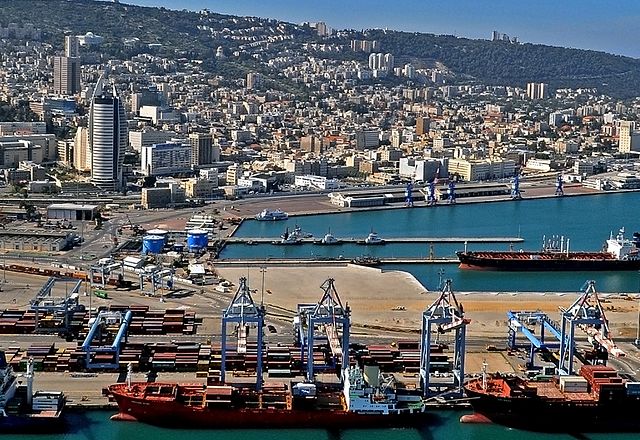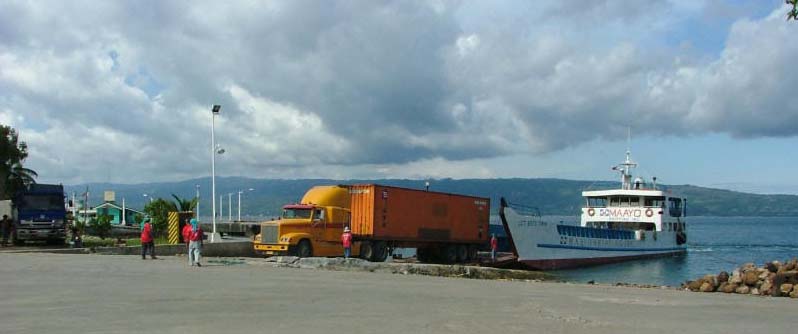
 The Association of Southeast Asian Nations (ASEAN), including the Philippines, has yet to ratify protocols and agreements relating to the liberalization of transportation services.
This agreement will impact on implementation of the commitment to facilitate trade as part of the Framework Agreement on the Facilitation of Goods in Transit.
The framework agreement aims to facilitate transportation of goods in transit to support implementation of the ASEAN Free Trade Area and to further integrate the region’s economies; simplify and harmonize transport, trade and customs regulations and requirements for the purpose of facilitation of goods in transit; and establish an effective, efficient, integrated and harmonized transport system in ASEAN.
Speaking at the recent South Luzon Area Business Conference, Philippine Trade and Industry Assistant Secretary Ramon Kabigting said that while the Philippines has gained significant strides in implementing many of the agreements in the ASEAN Economic Community (AEC), the country’s task ahead is to enhance competitiveness to be at par with its rapidly-developing regional neighbors.
Kabigting, who also heads the Bureau of International Trade Relations at the Department of Trade and Industry (DTI), however, noted that the Philippines delivered “fairly well” commitments in the AEC Blueprint, achieving a 95% implementation rate of the Blueprint’s Phase 1 (2008-2009). This is far higher than the ASEAN average of 86.7% during the same period. For Phase 2 (2010-2011), regional implementation rate was at 56%; the Philippine record was also higher at 65.92%.
As AEC 2015 draws closer, Kabigting underscored the need to intensify efforts to improve the country’s level of competitiveness; provide effective coordination among sectoral bodies and agencies; improve the mechanism for policy coordination and implementation; and undertake information and advocacy sessions to increase the level of awareness on the AEC and the benefits it offers to local business and the Philippine economy in general.
Opportunities for Philippine business in ASEAN
ASEAN, with a market of about 600 million people, provides tremendous opportunities for Philippine businesses, Kabigting stressed. Philippine exports for example, can avail of low tariffs with as much as 50% margin of preference vis-à-vis non-ASEAN exports.
Citing Philippine seaweed and jewelry exports, Kabigting said these products can enter Thailand duty-free, while those from non-ASEAN countries are charged a 20% most favored nation rate. The country’s manufacturing sector will also benefit from duty-free importation of chemicals, plastics, paper, rubber, textiles, glass, aluminum and steel.
Kabigting clarified that while tariff elimination on some products have already been enforced since January 2010, some of the products under the sensitive list were provided the end rates of 5% in 2010, while longer timeframe for tariff elimination was accorded to rice and sugar, classified as highly-sensitive products.
The Philippine Chamber of Commerce and Industry and the Philippine section of the ASEAN Business Advisory Council have initiated information-education campaigns on AEC 2015 and roadshows on doing business in ASEAN in partnership with the DTI.
Various government agencies, such as the Bureau of Export Trade Promotion, Board of Investments, Tariff Commission and Bureau of Customs, participate in these undertakings by setting up consultation desks that provide on-site assistance to business stakeholders and conference delegates on matters related to ASEAN Free Trade Agreement’s implementation, utilization and business opportunities.
Freight Train by M – Pics
Image courtesy of www.freedigitalphotos.net