
 Myanmar could follow Asia’s fast-growing economies and expand at 7 percent to 8 percent a year, become a middle-income nation, and triple per capita income by 2030 if it can surmount substantial development challenges by further implementing across-the-board reforms, a new Asian Development Bank (ADB) study says.
“Myanmar’s strategic location, rich natural resources and abundant labor force leave it perfectly positioned to prosper from Asia’s dynamic economic growth,” said Stephen Groff, ADB’s vice president for East Asia, Southeast Asia and the Pacific, in an August 20 press release. “Myanmar could be Asia’s next rising star, but for this to happen there needs to be a firm and lasting commitment to reform.”
The report, “Myanmar in Transition: Opportunities and Challenges,” is ADB’s first major assessment of the country since it began political and economic reforms in 2011. It notes that there is much work to be done: only a quarter of people in Myanmar have access to electricity and only one in five of the country’s roads are paved to all-weather standard. The report says concerted efforts are needed to increase transparency and enhance public services.
Growth will depend on the country maintaining macroeconomic stability—including measures for low (under 6 percent) inflation and sustainable budgets, encouraging domestic savings, and investing in human capital and infrastructure.
Myanmar’s location between the People’s Republic of China, India, and other South and Southeast Asian nations leaves it poised to benefit from rising regional trade, tourism and investment, and growing demand for energy and natural resources from its wealthier neighbors.
To fully realize Myanmar’s potential, the report suggests the country must focus on strengthening connectivity—via infrastructure in transport, power and telecommunications services, as well as modernizing its financial sector. Its economic base must also broaden beyond agriculture to the manufacturing and service sectors to meet a growing demand for jobs.
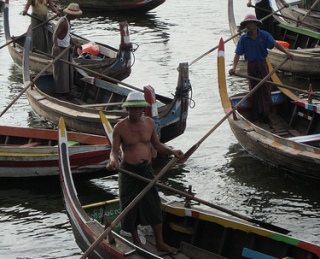
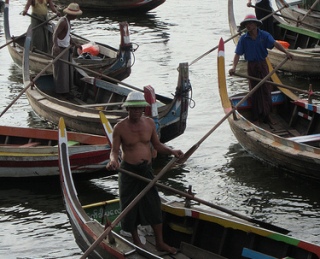
Photo: eGuide Travel





