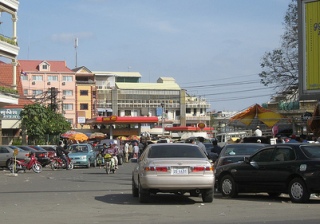
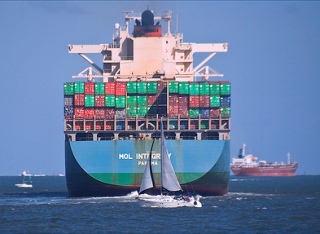
 Asian frontier economies are poised to join the ranks of emerging markets, but they need to broaden their sources of growth beyond agriculture or natural resources to succeed, according to the International Monetary Fund (IMF).
Frontier economies are the group of developing countries that are experiencing strong growth and a continued rise up the development ladder. Among these are Bangladesh, Bhutan, Cambodia, Lao PDR, Maldives, Mongolia, Myanmar, Nepal, Timor-Leste, and Vietnam.
“Joining the next generation of emerging markets is the goal, but moving there presents many challenges,” said IMF Deputy managing director Naoyuki Shinohara at a conference entitled “Frontier Asia: Economic Transformation and Inclusive Growth,” held January 27-28.
With a combined population of 350 million people and a location in the world’s most dynamic region, these economies have grown by over 6 percent every year on average in the last two decades—a performance surpassed only by China and India.
“Frontier Asia” countries now have the potential to move from low-income status to emerging market economies—provided they make the right policy choices, the IMF said. These include ensuring that the benefits of growth are widely shared among the population, accelerating economic reforms, and controlling debt growth.
Anoop Singh, director of the IMF’s Asia and Pacific Department, said these countries should tap into higher value–added sectors in manufacturing and services. “The process of economic transformation calls for accelerated structural reforms, improved institutions, and investment in infrastructure,” he said.
Frontier Asia should also seek trade integration. By breaking down trade barriers, from transport and local distribution cost to language and currency barriers, Frontier Asia can embed itself in regional supply chains and move up the value-added ladder to fully reap the benefits of globalization. Creating favorable conditions for small and medium-sized enterprises to thrive is also important.
The financial sector represents both an opportunity and a risk. Making financing readily available to consumers and investors is a prerequisite for growth. But if credit grows too rapidly, it can destabilize the economy, as what occurred during the Asian economic crisis of the late 1990s. Singh warned that a few frontier economies already need to step on the brakes to slow down their credit growth.
Photo: keithusc