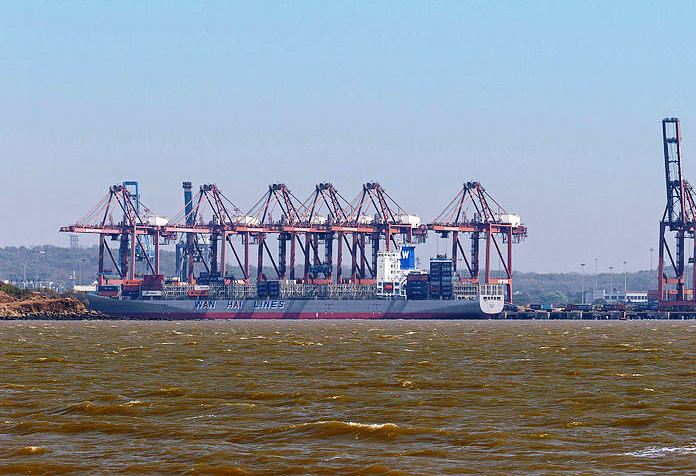
The European Shippers’ Council (ESC), European and international freight forwarders’ associations (FIATA and CLECAT), and the European representation of maritime terminals and stevedores (FEPORT) have voiced opposition to the proposal requiring the gross weight of cargo to be verified pre-boarding.
The matter is up for discussion at the International Maritime Organization (IMO) this week.
“The safety of those involved in the supply chain is of paramount importance to these associations; a focus on best practice which results in improved safety in the chain should reflect equally positively on the level of performance and productivity in the chain,” a joint statement from the groups said.
“However, the proposed container weight verification requirement is in the view of the associations ineffective,” it added.
From September 16 to 21, the IMO will discuss a draft amendment that will make mandatory the verification of the weight of every loaded container through a certified process.
In their statement, the associations said that additional legislation would not improve container safety in transport overseas. Instead, they are pushing for an improvement of the data communication process, that is, “a proper risk analysis of the quality of the data transferred between shipping lines, shippers and customs authorities.”
They also pointed to the unanswered questions on “how post-treatment of infringements should be dealt with and who is responsible for the onward effects on the operations of the port.”
Rather than pursuing the “unattainable goal” of weighing every single packed container throughout the globe, the IMO should work on effective solutions to the safety issues at hand, the associations said in another release.
They made specific recommendations to the organization to start addressing the following issues immediately instead.
• To formulate a clear legally binding deadline for shippers and freight forwarders to present shipping instructions to the carrier. This deadline should give carriers sufficient time to produce a stowage plan on the basis of real-time data, but should also be flexible enough for shippers to make the necessary last-minute changes, the groups said.
• To improve the quality of lashing of containers on board of a ship, which will significantly reduce the loss of containers at sea.
• To improve the quality of stuffing containers and reduce the chances for altering caterpillar trucks, tumbling containers from terminal cranes, and trucks rolling over.
Photo: roger4336