

The target roll-out of the Terminal Appointment Booking System (TABS) by Manila’s two international terminal operators—Asian Terminals Inc. (ATI) and International Container Terminal Services, Inc. (ICTSI)—has been moved to October.
The likely move to October 1 from September 1 will allow for further fine-tuning of the system, ATI government relations and customer service officer Jun Hermes Balita told PortCalls in a chance interview.
The port operators are also considering suggestions presented by stakeholders during earlier consultations.
TABS is a web-based online system in which customs brokers, importers, exporters, and cargo owners select the time slots for the delivery and withdrawal of their cargoes. The government-approved project is seen to solve the persistent problem of road congestion in Manila since truck deliveries and takeouts will be spread out over the 24 hours of the day to reduce queues and peaks, and minimize the number of trucks on the road.
Last May, the port operators tapped Australian IT company 1-Stop to put up a container booking system, now officially called TABS. Manila port operators have been suggesting the creation of a vehicle booking system or truck appointment system even before the Manila City government implemented the truck ban in February 2014 that triggered massive congestion at Manila ports.
Benefits of the booking system, according to ATI marketing manager Reginald Rivera in an earlier presentation to customs brokers, include enabling the planning of appropriate resources since volume and schedule are predictable, reduced queuing because yard resources are sufficient to serve all trucks, manageable and consistent flow of trucks, making truck bans unnecessary, arming clients with information on their containers, and access to the application through mobile devices.
Under the system, clients can choose the time slot that their trucks will pick up or deliver containers, and can tell if the container has been cleared and is ready to be withdrawn.
In addition, the system does not limit trucks to proceed to the port only during the booked hour, but allows them to arrive on or before their slot, depending on the agreed timeframe with the port operators.
The system books the container number to give stakeholders the flexibility to choose or replace their trucks. It also allows booking of empties, double transactions, and appointments to designated examination areas. – Roumina Pablo
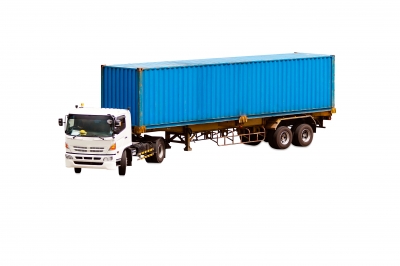
Image courtesy of satit_srihin at FreeDigitalPhotos.net