
 Asia-Pacific’s international air freight markets continued to soften in September 2011, according to traffic figures released 27 October by the Association of Asia Pacific Airlines (AAPA).
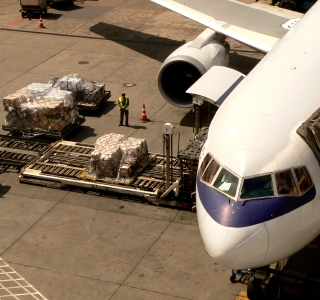
Amid a trade slowdown, Asia-Pacific international air cargo demand declined by 6.5 percent to 5,033 freight tonne kilometers (FTK) in September this year from 5,382 FTK for the same month last year. From January to September this year, volume dipped by 4.1 percent to 45,684 FTK from 47,658 FTK.
Offered freight capacity contracted by 1.3 percent, the AAPA said, resulting in a 3.5 percentage point decline in the average international air cargo load factor for the region’s carriers to 63.8 percent for the month.
In contrast, international air passenger traffic showed sustained growth this September, flying a total of 16 million international passengers for an increase of 5.4 percent year-on-year. The AAPA said the passenger boost was underpinned by business and leisure demand on Asian routes.
International passenger traffic grew by 5.2 percent in revenue passenger kilometers for September 2011, and available seat capacity expanded by 6.8 percent. The average international passenger load factor fell 1.1 percentage points to 77.3 percent.
“Overall, for the first three quarters of the year, Asia-Pacific airlines saw a 3.7 percent increase in the number of international passengers carried, whereas international air cargo demand fell by 4.1 percent,” said Andrew Herdman, AAPA director general.
He added: “Resilient Asian economies, with relatively strong domestic spending power, helped support leisure and business travel markets. However, a slowdown in export demand, as a result of the ongoing European economic crisis and softening North American economies, contributed to the fall in overall cargo traffic.”
This has led to only modest revenue growth this year for Asian airlines, which have been further burdened by a 40 percent increase in jet fuel prices, squeezing what are typically already very thin margins, said Herdman.
But the AAPA official said the association is still optimistic about future growth for Asia-Pacific carriers despite the uncertain global outlook. “This sentiment is underpinning ambitious fleet expansion plans, as well as the establishment of a number of new carriers of varying business models, including international partnerships and joint ventures,” said Herdman.