 Implementing the World Trade Organization’s Trade Facilitation Agreement (TFA) can help increase global merchandise exports by up to US$1 trillion per annum, according to the WTO’s flagship World Trade Report released on October 26, 2015.
The first detailed study of the potential impacts of the TFA, the report also found that developing countries will benefit significantly from the deal, capturing more than half of the available gains.
Director-General Roberto Azevêdo, in marking the launch of the report, said, “The world is more connected than ever before. More and more developing countries are seeking to join global trade networks. Yet, all too often, outdated and uncoordinated customs processes slow down the movement of goods and raise costs to prohibitive levels.”
He added: “By standardizing, streamlining and speeding up customs processes around the world, the WTO’s Trade Facilitation Agreement will help to solve this problem. It is global trade’s equivalent of the shift from dial-up internet access to broadband—and it will have a similar impact.”
Azevêdo said the report provides new evidence of the significant boost that the agreement will provide by expanding world trade, reducing costs, and helping developing and least-developed countries to integrate into an increasingly globalized production system. The report also highlights previously unseen benefits for developing and least-developed countries, such as increased investment and economic diversification.
“This underlines the importance of implementing the agreement in full—and doing so as quickly as possible. In fact, the report shows that the benefits of the agreement will be substantially larger depending on the scope and pace of implementation. The more extensive and faster the implementation of the TFA, the greater the gains.”
The TFA was agreed by WTO members at a ministerial conference in Bali, Indonesia, in December 2013. It was the first multilateral agreement successfully negotiated at the WTO.
The report’s findings support those of previous studies on the scale of the potential headline benefits while also giving significant further detail and outlining a range of other benefits of the agreement, particularly for developing and least-developed countries.
Specific advantages
Key findings on the impact of the TFA include:
- Global merchandise exports estimated to increase by between $750 billion and $1 trillion per annum
- Developing countries’ exports estimated to increase by between $170 billion and $730 billion per annum
- Developed economies’ exports estimated to increase by between $310 billion and $580 billion per annum
- Fuller, faster implementation of the TFA will increase the likelihood of impacts reaching the higher ends of these ranges
- Overall boost to world export growth per annum estimated at up to 2.7%
- Overall boost to global GDP growth per annum estimated at 0.5%
Moreover, the TFA is expected to help developing countries diversify their exports, increasing the number of their new products exported by as much as 20% with LDCs likely to see a much bigger increase of up to 35%. “Developing countries are expected to enter an additional 30 per cent more foreign markets and LDCs a further 60 per cent more,” said the report.
The agreement is also expected to reduce both delays and variability in delivery time, increasing the opportunity for developing countries to participate in value chains.
As for trade costs, the TFA could reduce members’ expenses by an average of 14.5%, even as it could increase the opportunity for SMEs to become more integrated in international trade.
And with improvements in trade facilitation, inward flows of foreign direct investment (FDI) are also expected to strengthen. Implementation of the TFA “could be interpreted by foreign investors as a signal of improvement in the overall investment climate which would induce inward FDI flows even in those sectors in the domestic economy which are not highly dependent on trade,” said the paper.
Finally, the TFA, by promoting efficiency in trade procedures, could help to increase customs duties and other taxes collected at the border, reduce the time to move goods across borders, raise the volume of goods flowing through customs, and discourage corruption.
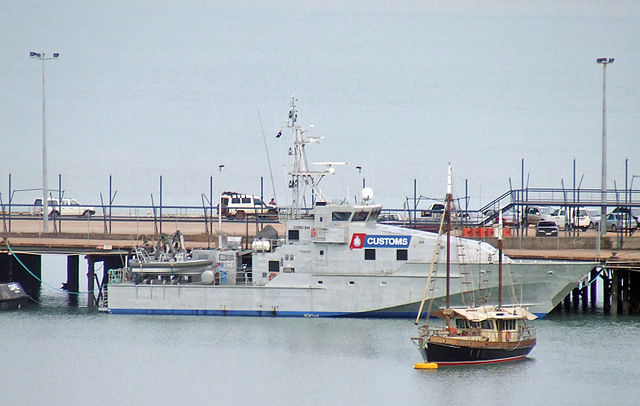
Photo: Bidgee