
 Global credit rating agency Moody’s Investors Service has given the global shipping industry a stable outlook for the coming 12 to 18 months, but it expects only minimal earnings growth while indicating high downside risks to its forecast.
In particular, it foresees the container shipping industry deriving small profit growth in the period under review from low fuel costs, but to remain mired in overcapacity problems.
The ratings service provider said the overall stable outlook for the shipping industry reflects expectations for low single-digit percentage growth in earnings before interest, taxes, depreciation, and amortization (EBITDA) year-over-year for its rated shipping companies in the 12 to 18 months ahead.
“This growth rate is lower than the mid-to-high single-digit range we expected earlier in the year because some companies have reduced their demand expectations and freight rates remain low amid oversupply,” said Mariko Semetko, a Moody’s vice president and senior analyst.
“The EBITDA growth will be driven primarily by continued cost reductions stemming largely from weak oil prices, which reduce shipping companies’ fuel costs and keep demand high for oil tankers,” added Semetko.
In its just-released report on global shipping, “Stable Outlook Reflects Low EBITDA Growth as Fundamentals Stay Weak,” Moody’s also expects the prices for bunker fuel to remain low over the outlook period, in line with expectations for crude oil prices to which bunker fuel prices are correlated. Fuel is a significant expense for shipping companies and low fuel costs therefore facilitate EBITDA growth, particularly for containership operators.
However, while the outlook for each of the three main shipping segments—dry bulk, container ships and tankers—is stable, business conditions, such as demand and supply, vary.
EBITDA growth will likely be lowest for the dry bulk segment because China’s economic slowdown will keep demand low, while excess supply will remain most pronounced in the container ship segment, particularly in 2015, but EBTIDA growth is expected from fuel-cost savings over the outlook period.
By contrast, weak crude oil prices will continue to drive demand and EBITDA growth for tankers.
Moody’s said the downside risks remain high, and it would consider changing the outlook to negative if signs emerged that the growth in shipping supply will exceed demand growth by more than 2%, or that aggregate EBITDA will decline by more than 5% year-over-year.
On the other hand, it’s would consider a change to a positive outlook if the oversupply of vessels declines materially and aggregate year-over-year EBITDA growth appears likely to exceed 10%.
The industry outlook has been stable since April 2014, when Moody’s changed it from negative.
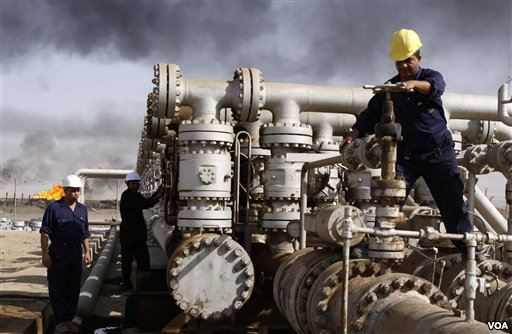
Photo: VOA