Philippine merchandise exports fell 24.7% in September 2015 as sluggish global demand and depressed prices weakened exports of all key commodities, according to the National Economic and Development Authority (NEDA).
Latest report from the Philippine Statistics Authority showed that total revenue from Philippine exports fell to US$4.4 billion in September 2015 from $5.8 billion recorded in the same period last year. This is the largest decline in export revenues since September 2011 when the supply chain disruption in key Asian countries then caused a sharp decline in demand for electronics, NEDA noted.
“This mirrors a still sluggish external demand due to weak global economic activity and depressed commodity prices, which continue to strain exports growth. Nonetheless, signs of a possible rebound of the country’s merchandise exports in the fourth quarter are likely, owing to better prospects in Japan, US and the Eurozone,” Economic Planning Secretary Arsenio Balisacan said in a statement.
Total exports for the first nine months of the year registered a 6.9% drop to $43.746 billion from $46.976 billion in 2014.
Manufactured goods, which comprise about 87% of the country’s total merchandise exports, posted a year-on-year decline of 23.6% in September 2015. It fell to $3.8 billion from $5.0 billion in the same period last year.
“This reflects the still weak global manufacturing sector, which can be traced to the sluggish final demand and ongoing inventory adjustments,” Balisacan said.
Export earnings from agro-based products declined by 29% in September to $251.8 million from $354.7 million in the same period last year. This was due to lower receipts from fruits and vegetables, coconut products, sugar products, and other agro-products.
Outward shipments of mineral products also decreased year-on-year by 32.6%, while petroleum products declined by 83.7% to $13.7 million in September 2015 from $83.8 million in the same period last year.
“The government needs to further strengthen its efforts to diversify export markets in order to dissipate the impact of weak demand from a relatively concentrated market. Tapping the opportunities from the export of services such as outsourcing (IT-BPO) can in part compensate for the decline in goods exports,” Balisacan, who is also NEDA director-general, said.
In this regard, the Cabinet official said that maximizing the potential of free trade agreements should be explored together with implementing programs that will address bottlenecks that affect the competitiveness of the export sector.
“We need to explore the country’s inclusion in the Trans Pacific Partnership agreement, which can bring enormous benefits to participating countries in terms of trade,” Balisacan said, attributing Vietnam’s continuous growth in exports its ability to take advantage of trade opportunities.
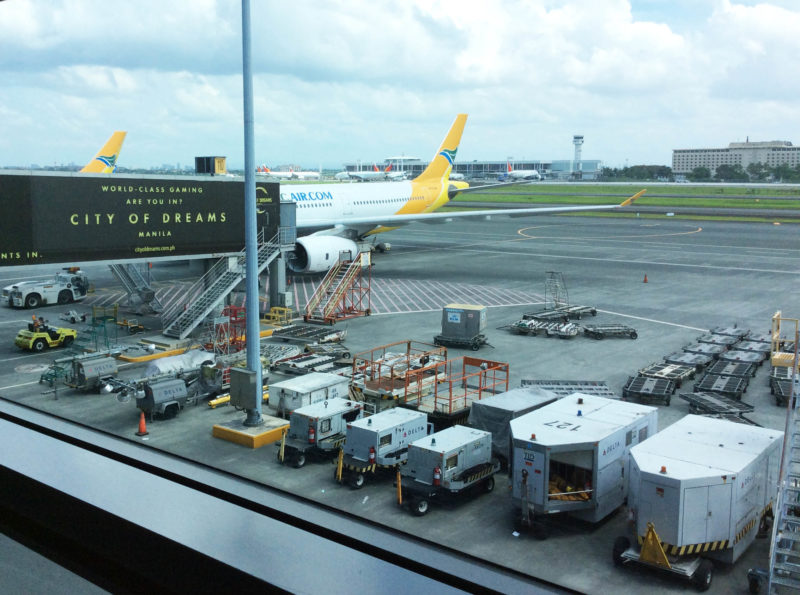
Image courtesy of franky242 at FreeDigitalPhotos.net