 The Customs agency of Vietnam said that a year after deployment, the customs automated cargo clearance and intelligence information system is functioning well, paving the way for faster processing at the country’s borders.
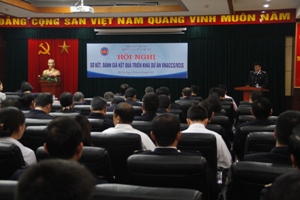
The General Department of Vietnam Customs marked the first anniversary of implementation of the Vietnam Automated Cargo Clearance System/Vietnam Customs Intelligence Information System (VNACCS/VCIS) on October 30, 2015. It said the system has facilitated transactions and become a useful management tool for both customs authorities and other state agencies.
Deputy General Director Vu Ngoc Anh during the celebration said the agency has resolved all issues relating to technology, legality, and organizational apparatus. It took less than three years, with assistance from Japan, to launch the project, he added. The work entailed having to complete negotiations, draw the project design, create the legal foundation, pilot implementation, provide training and support to the system’s users, and finally switch on the network.
He continued that they were also able to dispel fears about the new system and introduce “one of the most modern information technology systems in Southeast Asia,” allowing Customs and other government agencies to proceed with the national single window (NSW) and impose a more efficient and effective trade facilitation and investment program.
“VNACCS has really become the core system of the customs sector in implementing import and export goods clearance. Since being put into use, VNACCS has been operated stably with very high performance (of) 99.9%,” said Vietnam Customs.
Deployment of the VNACCS/VCIS is considered a prerequisite and a leverage for the customs sector to implement administrative reform. The system has led to fast processing, high stability, and decreased use of paper records, resulting in reduced clearance times and costs for businesses, said the Customs official.
Vietnam Customs said it will continue to use the platform as the information technology core system for import and export goods clearance.
To further improve the system, Customs will continue to extend its connectivity to the IT systems of other ministries so that performance of administrative procedures is integrated and coursed through the NSW. Connectivity efforts will also encompass banks, business offices, port businesses, and other related units.
There will likewise be a comprehensive assessment of the functions of the system aimed at improving its capacity for risk management and post-clearance audit.