 Economic growth in Indonesia was weaker than estimated in the first quarter of 2016. According to the latest data from Statistics Indonesia (BPS), Indonesia’s gross domestic product (GDP) grew 4.92% year-on-year in Q1. Most analysts expected to see growth slightly above the 5% mark.
“Although failing to meet analyst expectations, it is a positive sign that Indonesia’s Q1-2016 GDP growth is better than growth recorded in the same quarter one year earlier,” said Indonesia-Investments.
Economic growth was mainly supported by rising government investment compared to Q1 2015. Household consumption remained relatively subdued with growth of 4.94% (household consumption accounts for about 58% of total economic growth and therefore has a major influence on overall economic growth), while investment growth in Southeast Asia’s largest economy slowed to 4.24% year-on-year.
Government spending weakened severely when compared to the fourth quarter of 2015, said Indonesia-Investments. It rose by only 2.93% year-on-year compared to a 7.31% year-on-year growth recorded in the preceding quarter. It is usual, however, for government spending to accumulate at year-end.
Exports and imports contracted by 3.88% and 4.24%, respectively, in line with the economic slowdown in export destinations, weak domestic demand, and depreciation of the rupiah, said a report from Antara News.
In terms of production, the mining and quarry sectors contracted in the first quarter due to the low price of coal, followed by a slowdown in the agricultural sector caused by a shift in the planting season and delay in forestry activities.
“Trade sector also slowed down due to a decline in the production of domestic goods and import goods supply since early this year,” Suryamin, chief of BPS, said.
The construction sector performed well because of infrastructure projects implemented, followed by the financial mediation service sector due to the growth in the income of banks from interests, and by the transportation sector due to the expansion of fleets and routes of air and railway companies.
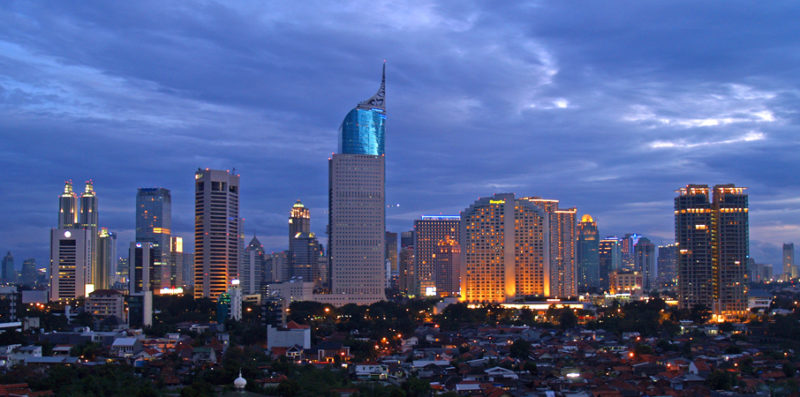
Photo: yohanes budiyanto