

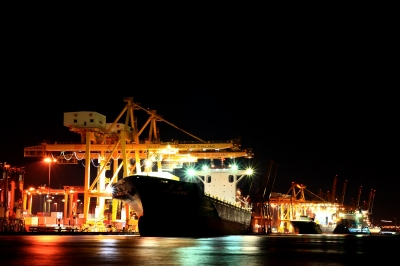
 Indonesia’s state-owned port operator PT Pelindo II announced plans to increase container storage fees fivefold at its port in Tanjung Priok, North Jakarta, to reduce port congestion.
The company said the hike in storage fees is intended to penalize shippers that take their time in loading and unloading containers at the port.
The company said it expects to sign the documents implementing the new regulation by next week. Under the new regulation, a progressive rate will be imposed on containers that linger for more than three nights at the port. The present storage fee per container is US$2.30 per night.
Growing congestion at the port has caused the loading and unloading process to drag on for six days on average from 5.5 days last year, the operator said. Container traffic has also been on an upswing, growing by more than 20 percent every year. The higher fees are aimed at cutting the congestion, which PT Pelindo II believes will only grow worse next year.
The port operator has been trying to come up with short-term strategies to cope with the overcapacity, including a planned investment of $250 million by mid-2012 in new container-loading cranes.