
The Philippine Ports Authority (PPA) will present its port infrastructure development plan, particularly five priority ports for improvement, at the 42nd Meeting of the Association of Southeast Asian Nations (ASEAN) Ports Association (APA), to be hosted by the Philippines on November 15-16, 2016.
Expected to attend are top port executives and decision makers from APA member-nations, including Philippine Transportation Secretary Arthur Tugade, PPA General Manager Jay Daniel Santiago, and APA chair Dothy, who is also PT Terminal Petikemas Surabaya of Indonesia head of corporate secretary.
The nine member-countries of APA—Brunei Darussalam, Cambodia, Indonesia, Malaysia, Myanmar, the Philippines, Singapore, Thailand, and Vietnam—are each required to present a paper to serve as the springboard for future development and cooperation.
One of the issues to be tackled at the meeting is port infrastructure, which will be the focus of the Philippine presentation, specifically PPA’s Port Infrastructure Development Plan.
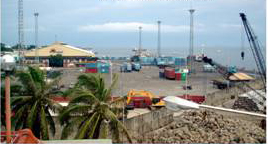
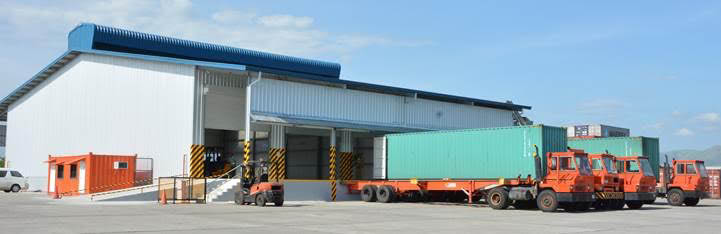
PPA’s plan identifies five priority ports for modernization, namely, Davao, Cagayan de Oro, General Santos, Iloilo Container Port Complex, and Zamboanga ports, which are already considered international gateways.
“We are developing these ports as these handle majority of our import and export products not only within ASEAN but also worldwide,” Santiago said in a statement.
“The APA Meeting, which we will be hosting, is a great avenue for the Philippines to assure our ASEAN neighbors and the world that we are doing beyond what is needed for us to properly respond to the demands of the global supply chain market,” Santiago added.
At the 41st APA meeting last year, PPA stressed the capacity-building initiatives it was undertaking, like the “TrainforTrade” program with the United Nations Conference on Trade and Development, as well as its partnership with the World Maritime University, the International Association of Ports and Harbors, and the Permanent International Association of Navigation Congress, among others. These initiatives all aimed to improve the professionalism of its employees.
APA was formed in 1974 as an alliance of port authorities in the ASEAN to serve as the forum for exchange of information, harmonization of trade practices, and facilitation of trade among ASEAN ports.
The association is composed of regular and associate members. Regular members are national port authorities and country ports, with the government retaining majority interest. Associate members are comprised of corporatized or privatized ports. These members determine the programs of work and priorities, annual budgets and other affairs of the association; elect the chairperson and the vice-chairperson; and attend special meetings to discuss proposals, recommendations, or reports of the working or technical committees.