
 The Bureau of Customs (BOC) and the Philippine Drug Enforcement Agency (PDEA) have teamed up with China’s Fujian Provincial Drug Law Enforcement Agency in taking a strong stance against the entry of prohibited drugs into the Philippines.
In a meeting on February 21, Customs Intelligence and Investigation Service director Neil Anthony Estrella emphasized the need to work together in putting an end to illegal drug operations involving China and the Philippines.
“This will be the start of the interaction and engagement of the customs of China and of the Philippines,” Estrella said.
Shen Yu, deputy director of the Operation Division of the Narcotics Control Commission of China, explained that this tie-up emerged from the agreement and memorandum of understanding (MOU) made during Philippine President Rodrigo Duterte’s four-day state visit to Beijing last October 18 to 21 in support of the Philippine government’s fight against illicit drugs.
“We have come to our new relationship after President Duterte visited China. We can discuss how to enhance cooperation in terms of narcotics control between our nations,” Yu said.
BOC, aside from collecting duties and taxes accruing on imported articles, is also responsible for keeping all ports of entry free of all forms of smuggling.
According to 2016 reports from the Customs Anti-Illegal Drugs Task Force, BOC intercepted 14 illegal shipments of methamphetamine hydrochloride, also known as shabu, amounting to P30.094 million; five shipments of ecstasy valued at P15.363 million; nine shipments of cocaine pegged at P291.678 million; and one shipment of marijuana worth P25,520—together totaling P337.160 million.
Illegal drugs and ingredients for their manufacture are transported to the Philippines via fishing vessels and processed at shabu laboratories. Last February 17, BOC seized 320 drums of imported hydrochloric acid, known as one of the components in making shabu, at the Mindanao Container Terminal, Tagoloan Sub-port, Cagayan de Oro.
Deputy commissioner for enforcement Ariel Nepomuceno stressed that the top priority of the government is drug enforcement.
“We can establish a specific office or person to act as a liaison officer of the Narcotics Commission of China. You can expect BOC’s full cooperation because this is our priority—to end illegal drug smuggling,” he said.
China has also partnered with Japan, Australia, and New Zealand in intelligence sharing on transnational crimes and drugs. The Philippines and China agreed to enhance exchanges of intelligence and technology in fighting drug crimes, including in training operatives and in techniques for detecting illegal drugs.
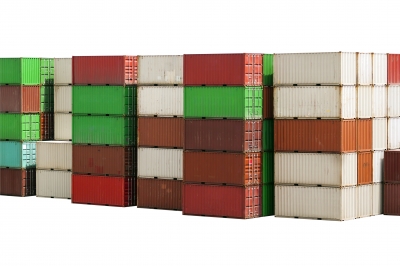
Image courtesy of satit_srihin at FreeDigitalPhotos.net





