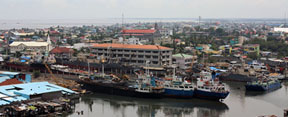
The Metro Manila Shipyard Association, Inc is asking the Philippine Maritime Industry Authority (Marina) to come up with a program solely for local operators.
The shipyard operators complained they have invested significant resources in the past but have received little support from government.
“Marina only supports foreign investments and local investments are left alone,” the association said. Members include Asian Slipway Corp, Elfa Shipyard Corp, Frabelle Shipyard Corp, RBL Shipyard Corp, Pier 44 Shipyard and Development Corp, Josefa Slipways, R< Shipyard and Realty Development Corp, RPR Slipways, Shiplift System, and Jocfer Marine Corp.
“What we have been clamoring for is a level-playing field or a program that will be for Filipino shipyard operators to recoup our investments,” the group said. “But government is really for now focused on foreign investments.”
Marina administrator Emerson Lorenzo countered that the agency’s current programs are “for the local shipbuilding and shiprepair industry and they (operators) should not find it difficult to fit in.”
Under the program, government has promised to help provide long-term financing for domestic fleet modernization and market shipbuilding and shiprepair investment opportunities abroad. Government is also keen on foreign shipyard visits by local shipyard operators and participation in shipbuilding and shiprepair trade fairs.
From 2011 to 2013, Marina expects to create local opportunities for shipbuilding and shiprepair projects through the leasing or financing construction of roll-roll off ships either via the NDC-Maritime Leasing Corp or the Development Bank of the Philippines; guarantee financing for local construction of catamaran ferry boats through the Philippine Export-Import Bank; push participation of local shipyards under the Philippine Navy Modernization program; implement the Mandatory Vessel Retirement program; and progressively restrict vessel importations.
Government will also offer continuous training on shipyard skills; courses for naval architects, marine engineers and related fields; provide incentives for in-house training of shipyard manpower; institutionalize on-the-job training in local shipyards; regulate employment and overseas deployment of trained shipyard manpower and technical professionals; and disseminate shipyard employment opportunities.
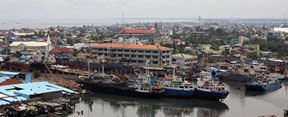
Earlier, the Metro Manila shipyard operators showed interest in Subic Freeport zone as expansion site to accommodate growing fleet requirements in their operational areas—usually along the Navotas-Malabon river system.