
 The United Kingdom’s £4.5 billion (US$5.8 billion) export-import facility can be tapped by the Philippines as one of its financing options for its massive infrastructure program, according to UK Secretary of State for International Trade Liam Fox.
“We hope that you can tap this rather under-tapped resource,” Fox said in a recent meeting with Finance Secretary Carlos Dominguez III.
Philippine economic managers recently launched the government’s massive infrastructure program, which entails an P8.4-trillion investment in the next five years. The government targets completing all of the projects before the end of the current administration’s term.
Dominguez earlier said these projects will be financed in three ways. One is by taxes, which he said is why the finance department is proposing a reform of the country’s tax system. Another is by official development assistance and the third by commercial loans.
Dominguez welcomed Fox’s offer and said that while the Philippine government has been tapping foreign funding sources, it is also planning to implement a comprehensive tax reform program to generate revenues internally for its infrastructure buildup.
Another way for the UK government to assist the Philippines in catching up with its Southeast Asian neighbors, Dominguez said, is by investing heavily in the country’s infrastructure development.
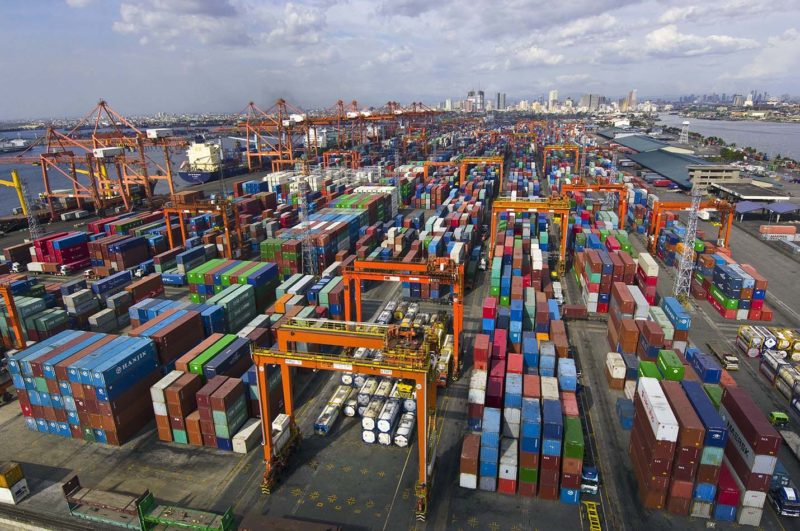
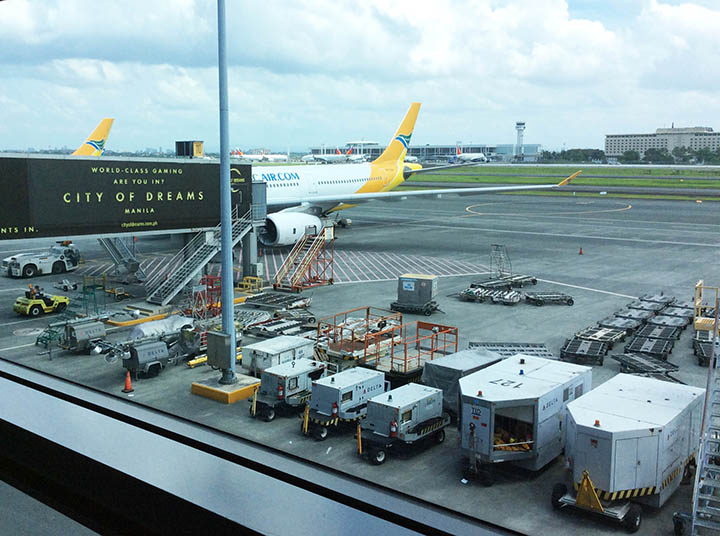
Dominguez said the Philippine government plans to develop a second international airport, and build high-speed trains between Manila and Clark in Pampanga, and possibly connect these trains to a commuter rail system in Southern Luzon. There is also a plan to improve Luzon’s ports to help decongest Metro Manila and encourage investments in the countryside.
For regions highly dependent on agriculture, the government will improve existing irrigation systems, and build new ones, among other measures, to boost farm productivity, Dominguez said.
He also explained to Fox the administration’s plan to reverse the income inequality between Metro Manila and the countryside by filling the infrastructure backlog in the country’s regions and improving connectivity among them.
Fox, for his part, said the UK is “keen on establishing its footprint” in the Philippines’ services sector and in exporting its education technologies.
“We have opportunities in life sciences, accounting, banking, the medical sector and education,” he said.
The two officials also discussed expanding trade and investments between the two countries, while Fox spoke about expanding British exports to the world via UK’s new online trade portal.
In 2016, total Philippine exports to the UK amounted to $476 million, while Philippine imports from the European nation reached $480 million.
Image courtesy of akiraone at FreeDigitalPhotos.net