
 The World Customs Organization (WCO) and the Universal Postal Union (UPU) are highlighting the need for enhanced collaboration and exchange of information between Customs and Post.
At a recent joint workshop, WCO and UPU, which is the United Nations specialized agency for the postal sector, called for stronger cooperation between Customs and Post, saying this will enable the two parties to “better leverage new opportunities stemming from growing E-Commerce and to collectively meet current and emerging challenges in the postal supply chain.”
The workshop also examined ways to implement advance electronic exchange of information (pre-loading/pre-arrival) between Posts and Customs for efficient risk management and improved service delivery. This can be achieved, said WCO, by using the UPU’s Customs Declaration System, or any other customized solution based on the joint WCO/UPU Customs-Post EDI messaging standards and the WCO Data Model.
Experts from WCO and UPU also presented detailed information on their individual and joint instruments, standards, and tools for facilitating and securing postal items, best practices, and successful case studies.
In addition, experts from Australian Customs and Post, United States Postal Service, Canada Post, La Poste, and Royal Mail shared their respective work experiences, challenges, and solutions successfully implemented. They touched in particular on cross-border e-commerce and strengthening of working arrangements between Customs and Post, including the capture, transmission, and use of advance electronic data.
Other issues discussed included the accession to the Revised Kyoto Convention (RKC) by non-contracting parties; acceptance of the RKC Specific Annex J, Chapter 2 on Postal Traffic; exchange of advance electronic data; e-commerce (e.g., processing of small parcels, screening technologies, de minimis, and revenue collection); trusted partnerships; measures improving compliance to customs requirements (e.g. data quality) at the origin; and implementation of the WTO Agreement on Trade Facilitation.
In addition, the workshop explored key identified issues—such as legal framework, partnership, risk management of advance electronic information, process and logistics, and technology and automation—that need to be considered and addressed in order to strengthen cooperation between Customs and Posts. This is with a view to further facilitate and secure the postal supply chain, thus enabling faster movement of growing volumes of e-commerce shipments.
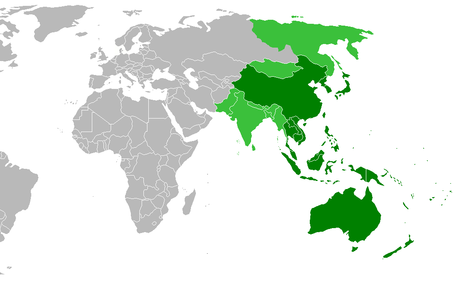
The event was supported by the Australian Border Force, Australia Post, Korean Customs Cooperation Fund, and the WCO Regional Office of Capacity Building for Asia-Pacific Region, and attended by over 100 participants representing customs administrations and postal operators from 30 countries and jurisdictions of the region.
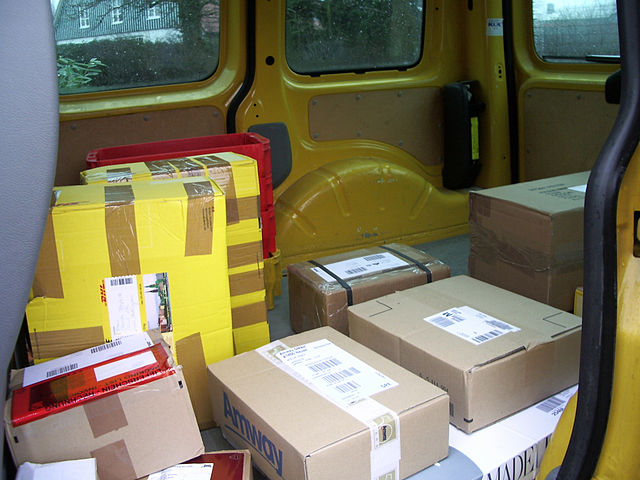
Photo: Huhu Uet