

The Philippine manufacturing sector grew by an average of 10% in the first six months of 2017 due to sustained domestic and improved external demand, according to the National Economic and Development Authority (NEDA).
This growth was backed by increased production in food manufacturing, basic metals, transport equipment, fabricated metal products, non-metallic mineral products, and export products. It is also higher than the 9% average growth during the same period last year.
The figures are based on the Monthly Integrated Survey of Selected Industries (MISSI) for June 2017 of the Philippine Statistics Authority, a NEDA-attached agency.
For June, the volume and value of production indices for manufacturing increased by 8.1% and 5.1%, respectively, from their June 2016 levels.
The increases were mainly driven by the continuous growth in the manufacture of construction-related and export products, food manufacturing, transport equipment, and petroleum products.
The spike in production of basic metals, fabricated metal products, and non-metallic mineral products boosted the construction sector.
Leather products and footwear led the increase in production of export-oriented goods.
Socioeconomic Planning Secretary Ernesto Pernia is optimistic about the manufacturing sector’s outlook, saying growth is expected to be sustained going into the second semester.
“Looking ahead, the outlook for the manufacturing sector remains optimistic on the back of favorable domestic conditions such as stable inflation rate, robust economic demand, increased investments, and business confidence,” Pernia, who is also NEDA director-general, said in a statement.
The Cabinet official, however, cautioned against possible domestic and external risks to growth.
“We need to be ready for possible disturbances in business activities during the rainy season. External risks, on the other hand, include the planned interest rate hikes of the United States and the inward-looking trade policies of major economies,” Pernia said.
He emphasized the need to expand production capacity and to encourage entry of new manufacturing firms so as to keep prices low and stable. For this, government is doing its part through infrastructure investments and streamlining of government procedures to reduce the cost of doing business in the Philippines, he said.
MISSI is a report that monitors the production, net sales, inventories, and capacity utilization of selected manufacturing establishments to provide flash indicators on the performance of the manufacturing sector.
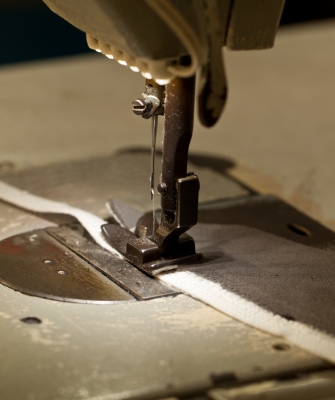
Image courtesy of PANPOTE at FreeDigitalPhotos.net