
 Airlines in the Asia-Pacific region achieved US$8.8 billion in combined net earnings for the full year 2017, up from $6.7 billion in full-year 2016, the growth underpinned by strong air passenger and cargo markets, figures released May 14 by the Association of Asia Pacific Airlines (AAPA) show.
The global economy saw broadly based growth in advanced and emerging markets, boosting both business and leisure travel demand, while air cargo markets were lifted by an acceleration in global trade activity. At the same time, moderate capacity expansion lent support to airline yields, said AAPA.
Asian airlines saw international passenger traffic, expressed in revenue passenger kilometer terms (RPK), recording a robust annual growth rate of 8.6%, supported by the widespread availability of affordable airfares and continued expansion in network connections.
With major manufacturing economies located in the region benefitting from increased trade activity, the region’s airlines recorded an impressive 9.6% jump in international air cargo traffic as measured in freight tonne kilometers (FTK) for the year.
Underpinned by the firm increases in both air passenger and cargo markets, Asia-Pacific airlines achieved a 6.7% growth in combined operating revenue to $176.6 billion in 2017 from $165.5 billion in 2016.
Passenger revenue increased by 6.0% to $135.6 billion. Intense competition led to a marginal 1.0% decline in passenger yields to 7.9 US cents per RPK, although the decline was less severe compared to previous years.
Cargo revenue increased significantly, by 14.6% to US$18.6 billion. Following several years of contraction, cargo yields rebounded with a 6.0% growth to 25.0 US cents per FTK.
Andrew Herdman, AAPA director general, said, “Overall, Asia Pacific carriers as a group achieved commendable earnings performance in 2017, with the solid 31.6% increase in net earnings to US$8.8 billion underpinned by strong growth in both air passenger and cargo volumes, and higher average load factors.”
However, Herdman added that it was not entirely smooth sailing for the regional airlines last year: “Nevertheless, the region’s airlines continued to face some significant headwinds in the form of stiff competition, and increased cost pressures from markedly higher fuel prices and rising labour costs. Reflecting the highly competitive business environment, the average operating margin was 6.6% for the year, with net profits of just over US$6 per passenger.”
Looking ahead, he added, “The ongoing expansion in the global economy bodes well for Asian airlines. Business activity is expected to remain relatively robust whilst increased consumer spending should underpin further growth in passenger travel and continue to support air cargo demand in the coming months.”
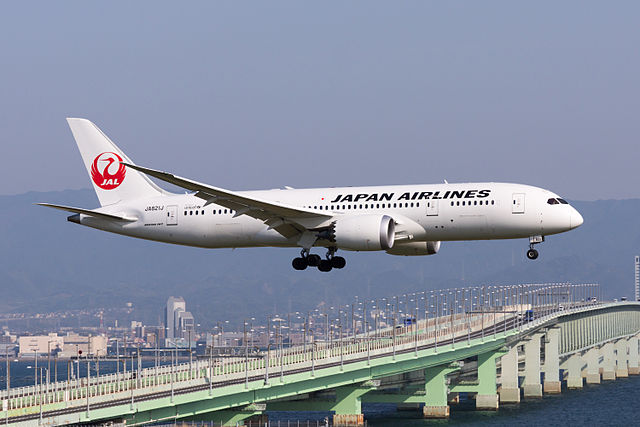
Photo: lasta29