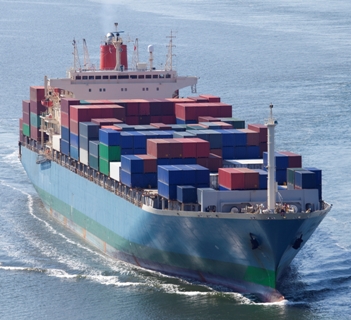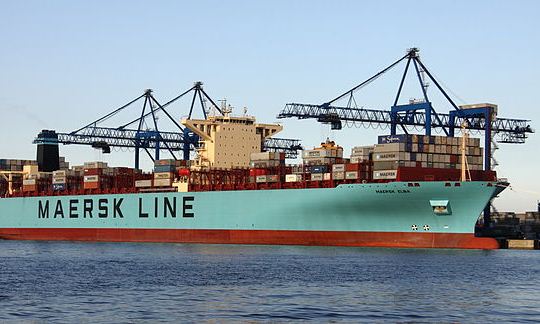

 Box shipping lines such as industry leaders Mediterranean Shipping Company (MSC) and Maersk Line are now looking at slow steaming on some routes as a viable approach to cutting costs and improving reliability, according to a new analysis from Platts.
Platts said an MSC spokesman has pointed to “the cost of fuel and the advantages of reducing related air emissions into the environment” as among the factors behind the company’s decision to go slow steaming.
“The initiative is driven by a need to become more reliable and punctual, which is an issue facing the whole industry,” the spokesman added, as quoted in the report.
Bunker costs for June are higher than they were at the start of the year and have been rising strongly since March, Platts noted. By going slower, vessels can better adhere to more realistic schedules and avoid congestion at ports when they stop to bunker.
“The schedule is often impacted by port congestion and once they are out of sync they have to move ships much faster, using more fuel to catch up,” the spokesman said.
Maersk, which is part of the 2M Alliance with MSC, is also finding slow steaming increasingly attractive.
“The reliability in the industry and for Maersk Line is lower than we would want it to be and there are many levers a shipping company can pull to increase punctuality and efficiency,” the company said in a statement.
“These include the removal of port calls, the reduction of speed as well as adding ships to a service. We are constantly looking for ways to improve our network, making it more efficient and customer-oriented,” Maersk said.
By slow steaming, bunker buyers say they can push vessels farther to reach cheaper and more strategic bunkering locations, rather than having to stop at the most convenient location in terms of logistics. Barge fees, calling costs, and port charges can contribute to hikes in prices and make owners selective about the economics of bunkering.
At the same time, while cargo volume allocations are increasing, a few carriers are not as full as hoped, dampening box rates in the second half of June. The new alliance structures, such as the 2M Alliance, are proving to be unpredictable in their cargo loadings with some being delayed at source or at the arrival port, said Platts. This is causing some difficulties for shippers and freight forwarders as they seek to manage the overall supply chain.
In addition, increasing capacity is leading to difficulties in ships reaching their full loading capacities. Some carriers are introducing their newbuilds into their schedules which could lead to lower-than-anticipated cargo allocation percentages.
But while slow steaming may help ships reduce the impact of this capacity increase as well as alleviate the port issues, it could further frustrate shippers, when added to the emergency bunker surcharges that some carriers are implementing, said Platts.
Photo: Konflikty.pl, Attribution