
 The Maritime and Port Authority of Singapore (MPA) continues to prepare the Port of Singapore and Singapore-registered ships for the International Maritime Organization’s (IMO) 0.5% global limit for sulfur in fuel oil used on board ships, as the new cap gets set to take effect from January 1, 2020.
As part of these preparations, MPA and the Singapore Shipping Association have released two technical guidance booklets for Singapore-registered ships and ships calling at the Port of Singapore.
MPA in a release said the booklets outline the options available for ship operators to comply with the new regulations, which include the use of approved abatement technology such as scrubbers, alternative fuels, and compliant fuel oil. Both booklets will be made available on the MPA website.
MPA has also announced some initiatives to improve the delivery of its services. At the Singapore Registry of Ships (SRS) Forum on November 30, MPA chief executive Andrew Tan said that to ensure Singapore-registered ships continue to operate at a high standard of safety worldwide, MPA has started conducting overseas inspections on selected SRS ships, as part of a five-year SRS Quality Flag Assessment Programme.
The SRS is internationally recognized as a quality flag with high standards of safety of operations and marine pollution prevention. This is achieved through regular engagement with the industry and stringent Flag State Control (FSC).
MPA also rolled out two new online services on Marinet, the authority’s online system that provides a wide range of e-services to the Singapore maritime community. These new services relate to the Singapore Seaman Discharge Book and the Maritime Labour Convention financial security certificates, both of which can now be applied through Marinet.
In addition, receipts of acknowledgement will now be automatically issued upon the application of MPA’s certificate of endorsement to minimize delays in crew signing for Singapore-registered ships. To complement MPA, selected recognized organizations (ROs) have started issuing statutory electronic certificates on MPA’s behalf. These ROs include American Bureau of Shipping, Bureau Veritas, Det Norske Veritas Germanischer Lloyd, China Classification Society, and Nippon Kaiji Kyokai.
To harness new technologies for increased productivity, MPA has started trials involving the use of blockchain for ship registration and use of robotic process automation for the issuance of crew and ship certificates.
Further, since October 2018, MPA has accepted the use of remote inspection techniques for surveys of Singapore-registered ships. These techniques include the usage of unmanned robotic arm, remote operated vehicles, and unmanned aircraft systems (commonly known as “drones”).
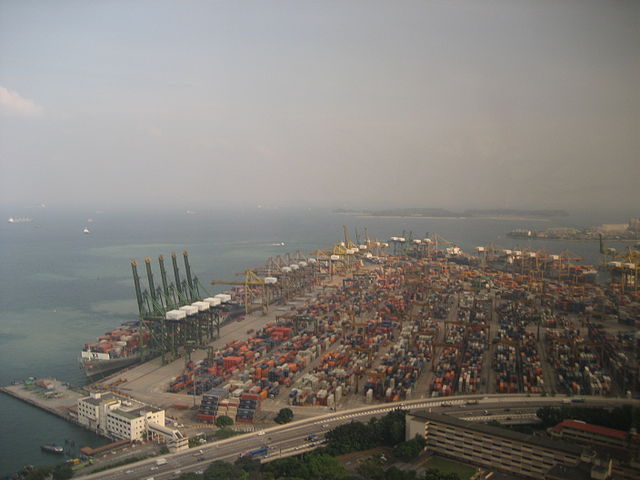
Photo: DearEdward