
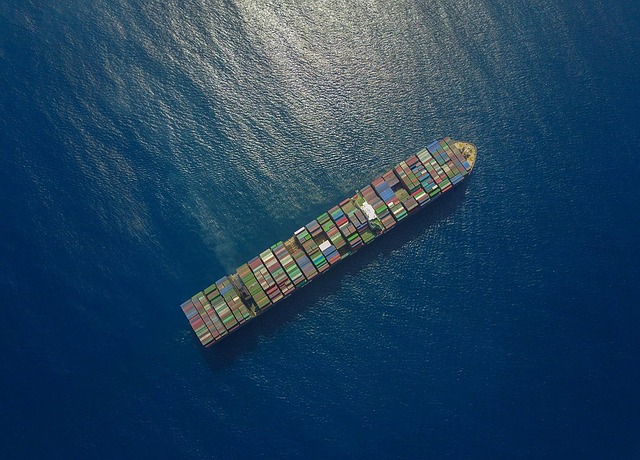
The Maritime Industry Authority (MARINA) and the Department of Energy (DOE) are set to formulate a comprehensive plan for implementing the International Maritime Organization (IMO) regulation on curbing sulphur emissions from ships.
Guided by IMO’s International Convention for the Prevention of Pollution from Ships (MARPOL Convention), MARINA and DOE discussed with petroleum industry stakeholders, oil importers, and shipping industry partners their concerns about the global 0.50% sulfur cap as well as preparations for possible challenges that may emerge due to the new regulation.
On January 1, 2020, the IMO will implement its revised global sulphur standards on marine fuels, changing the maximum allowed sulphur content from 3.5% to 0.5%.
MARINA Shipyards Regulation Service (SRS) director Engr. Ramon Hernandez acknowledged the stakeholders’ concerns such as the need for existing Philippine-registered vessels to undergo retrofitting to be able to utilize sustainable and eco-friendly fuels.
MARINA and DOE assured the stakeholders they will formulate a comprehensive plan for implementing IMO 2020 by identifying alternative sources of oil such as eco-friendly and affordable fuels, among others.
The two agencies will meet on May 24 with the Department of Finance, National Economic and Development Authority, and Department of Environment and Natural Resources to further collaborate on ensuring Philippine compliance with Annex VI of the MARPOL Convention from 2020 and beyond.
Domestic shipping organizations since last year have been asking government for clear guidelines, saying the implementation of the IMO policy will entail additional costs. Philippine Inter-Island Shipping Association executive director Atty. Pedro Aguilar in a forum last year said that in a consultation with oil companies about the policy, an oil firm said reducing sulfur content by 5% will translate to P10 added per liter of fuel. – Roumina Pablo