

The Philippine manufacturing index rose slightly to 51.3 in June from 51.2 in May, according to the latest Nikkei Philippines Manufacturing Purchasing Managers’ Index (PMI).
The latest reading suggests a subdued picture in manufacturing and is among the lowest in the three-and-a-half-year history compiled by IHS Markit, which releases the PMI.
“Certain factors suggest that Filipino manufacturers were facing a weakening growth environment in June,” David Owen, economist at IHS Markit, which compiles the PMI survey, said in a statement.
“Output growth was solid, but new orders increased only modestly and at the slowest pace since last July. Instead, firms appeared to focus on stock-building; finished goods inventories grew for the second consecutive month, while input stocks also rose as some panelists hinted at risks of supply shortages,” Owen explained.
IHS Markit said the marginal rise in the headline index was mostly due to a greater expansion in output of Filipino manufacturers.
It added that anecdotal evidence generally related the increase with higher demand for goods, although it was also driven by firms working through pre-existing orders and raising post-production stocks.
At the same time, new orders grew at only a modest pace that was the least marked in nearly a year. Companies squarely linked this to another fall in new orders from abroad, the eighth in 10 months. Notably, the latest downturn was the sharpest seen since the series began in 2016, as a number of firms highlighted a lack of demand from overseas clients.
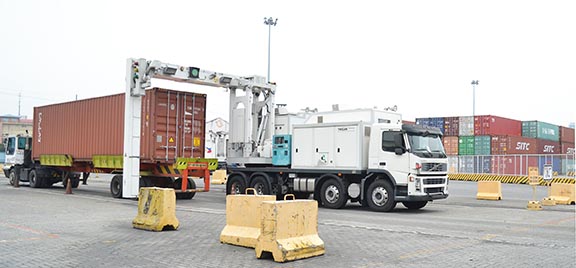
Meanwhile, purchasing activity stepped up in June, as firms expanded their input buying at the sharpest rate in seven months. Despite new-order growth easing, businesses reportedly wanted to build up input stocks, with some noting a risk of supply shortages. Inventories increased but at a slower rate than in the previous month. Some firms also took advantage of improving lead times which shortened for the third month running amid better conditions at Manila’s port.
Owen noted that supply chains have improved in recent months as port congestion in Manila port eased, while price pressures are also relatively subdued.
The drop in delivery times was fractional though.
Output expectations, meanwhile, weakened slightly in June. Despite the latest round of production growth, the outlook was the second weakest recorded in the survey history. Nonetheless, IHS Markit said optimism remained positive overall, with firms expecting a rise in new orders and company growth to drive up activity in the future.