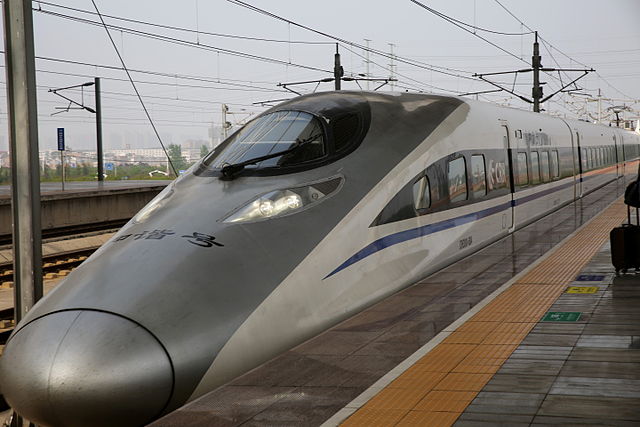

 A new study from the World Bank said China has put into operation over 25,000 kilometers of dedicated high-speed railway (HSR) lines since 2008, far more than the total high-speed lines operating in the rest of the world.
“China has built the largest high-speed rail network in the world. The impacts go well beyond the railway sector and include changed patterns of urban development, increases in tourism, and promotion of regional economic growth. Large numbers of people are now able to travel more easily and reliably than ever before, and the network has laid the groundwork for future reductions in greenhouse gas emissions,” said Martin Raiser, World Bank country director for China.
The study, “China’s High-Speed Rail Development,” said a key enabling factor is the development of a comprehensive long-term plan to provide a clear framework for the development of the system. China’s Medium- and Long-Term Railway Plan looks up to 15 years ahead and is complemented by a series of Five-Year Plans.
In China, high-speed rail service is competitive with road and air transport for distances of up to about 1,200 km. Fares are competitive with bus and airfares and are about one-fourth the base fares in other countries. This has allowed high-speed rail to attract more than 1.7 billion passengers a year from all income groups. Countries with smaller populations will need to choose routes carefully and balance the wider economic and social benefits of improved connectivity against financial viability concerns.
A key factor keeping costs down is the standardization of designs and procedures, the study said. The construction cost of the Chinese high-speed rail network, at an average of US$17 million to $21 million per kilometer, is about two-thirds of the cost in other countries.
The study also looks into the economic benefits of high-speed railway services. The rate of return of China’s network as of 2015 is estimated at 8%, well above the opportunity cost of capital in China and most other countries for major long-term infrastructure investments. Benefits include shortened travel times, improved safety and facilitation of labor mobility, and tourism. High-speed networks also reduce operating costs, accidents, highway congestion, and greenhouse gas emissions as some air and auto travelers switch to rail.
Photo: A1AA1A