 International air passenger demand continued to grow moderately in July, supported by business and leisure travel. However, falling exports and a worsening trade outlook led to further weakness in air cargo markets, according to traffic figures from the Association of Asia Pacific Airlines (AAPA).
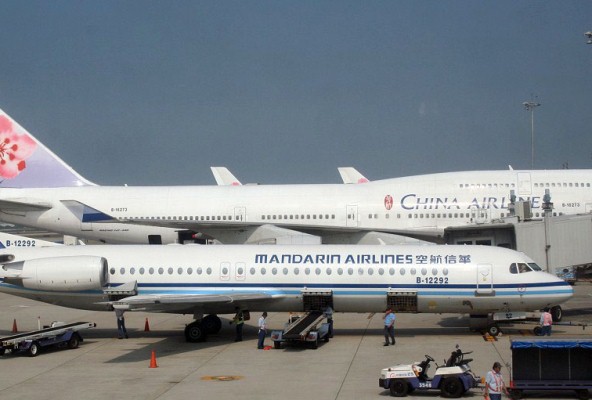
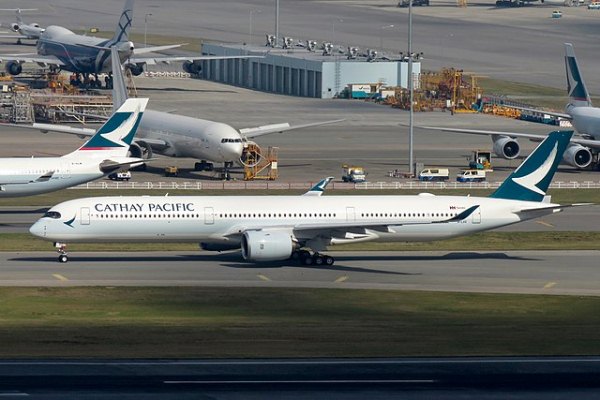
The number of international passengers carried by the region’s airlines climbed 3.4% higher year-on-year to a combined 32.5 million, even as business sentiment continued to deteriorate in the face of rising headwinds to global growth. Demand in revenue passenger kilometers rose by 2.7% year-on-year, underscoring the relative strength of regional travel markets. A matching 2.7% expansion in available seat capacity led to an average international passenger load factor of 82.4% for the month, unchanged compared to the same month last year.
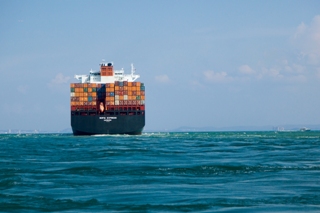
Mounting trade tensions, alongside deteriorating business confidence levels, contributed to further declines in orders for goods. Against this backdrop, the region’s airlines registered a 7.7% fall in air cargo demand as measured in freight tonne kilometers in July. The markedly lower demand, coupled with almost flat expansion in offered freight capacity, by 0.4%, led to a 5.2 percentage point decline in the average international freight load factor, to 58.9% for the month.
Andrew Herdman, AAPA director general, said, “During the first seven months of the year, the number of international passengers carried by Asian airlines grew by 4.6% to a combined 219 million supported by the availability of competitive airfares and expanding networks. In addition, sustained expansion in major Asian emerging and developing economies fueled the appetite for international travel.”
“By contrast, however, global trade conditions deteriorated further, as higher tariffs disrupted global supply chains, and Asian airlines saw international air cargo demand fall by 6.2% during the first seven months of the year. The weakness in air cargo markets is likely to extend into the coming months, unless we see some meaningful progress in trade negotiations.”
Looking ahead, Herdman said, “The outlook for air passenger travel demand is still broadly positive, but with growth slowing, the region’s airlines are facing an increasingly challenging operating environment.”
Photo: Michel Teiten