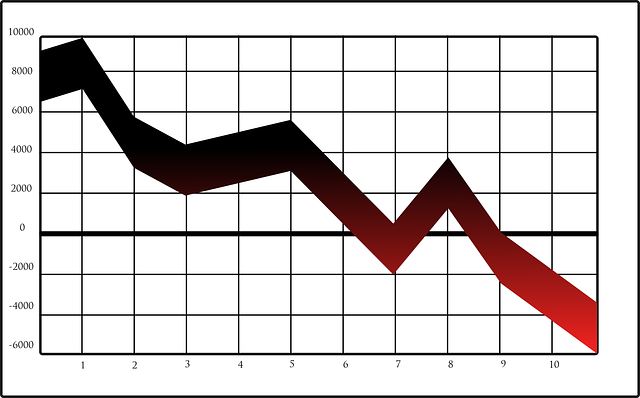


Philippine merchandise trade registered its seventh consecutive month of decline in October 2019 as imports continued its decline during the period, data from the Philippine Statistics Authority (PSA) showed.
PSA said total merchandise trade in October 2019 posted a 6.7% decrement to US$15.89 billion from $17.03 billion in the same month of the previous year.
Imports dropped for the seventh month in a row in October 2019 with $9.57 billion, 10.8% down from $10.72 billion in October 2018.
The decrease was due to the decline of nine of the top 10 major import commodities. These are iron and steel (-31.7%); cereals and cereal preparations (-18.1%); industrial machinery and equipment (-14.6%); mineral fuels, lubricants and related materials (-13.3%); electronic products (-11.7%); plastics in primary and non-primary forms (-11.5%); other food and live animals (-5.6%); transport equipment (-3.4%); and miscellaneous manufactured articles (-2.7%).
Exports, on the other hand, increased 0.1% to $6.32 billion from $6.31 billion in total sales in October 2018. This was a recovery from the decline in September 2019, and was due to higher export sales for seven of the top 10 major export commodities, namely, travel goods and handbags (155.9%); other mineral products (84.9%); gold (52.9%); fresh bananas (15.7%); electronic products (7.0%); other manufactured goods (4.6%); and ignition wiring set and other wiring sets used in vehicles, aircrafts and ships (2.0%).
The country’s balance of trade in goods in October 2019 recorded a $3.25 billion deficit, which was lower by 26.4% from the $4.42 billion deficit recorded in October 2018.
By commodity group, electronic products continued to be the country’s top export, accounting for 56.1% of the total, while also remaining as the top import, with 25.3% share of the total import bill.
By major trading partners, exports to the United States comprised the highest value, followed by Japan, Hong Kong, China, and South Korea.
China remained as the Philippines’ biggest supplier of imported goods, while other major import trading partners were Japan, South Korea, US, and Thailand.