 Port stakeholders are objecting to a truck ban for implementation by Navotas City from January 1, 2020.
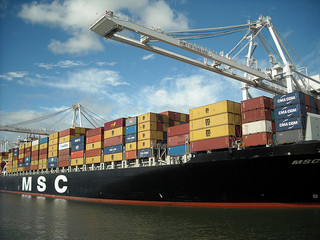
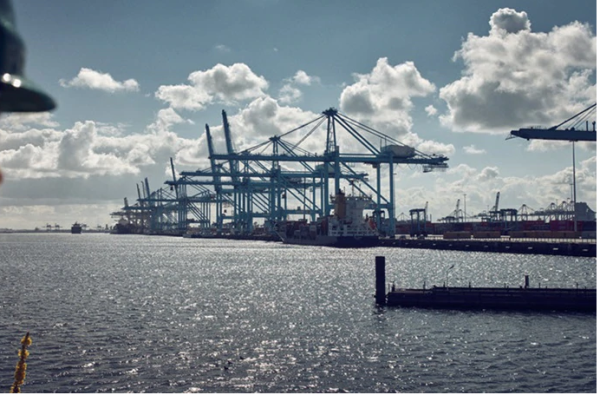
The ban is threatening to impede trade flows in Luzon, particularly in Metro Manila and nearby areas, and will adversely affect truckers going to and from ports and container yards, the stakeholders said.
Navotas City mayor Tobias Tiangco signed on November 28 Executive Order No. TMT-029 series of 2019, which implements a limited truck ban along C-3 Road, Road 10 (R-10), and North Bay Boulevard from 6 a.m. to 10 a.m. and from 4 p.m. to 8 p.m. starting January 1, 2020.
The truck ban aims to lessen the expected heavy traffic stemming from the construction of the Northern Luzon Expressway (NLEX) Harbor Link Segment 10 from C3 Road to Road 10 and the Department of Public Works and Highways’ (DPWH) Reinforced Concrete Box Culvert (RCBC) on North Bay Boulevard.
“Inaasahan po natin na ang sabay na konstruksyon ng Harbor Link at RCBC ay magdudulot ng mas mabigat na trapiko. Dahil dito, importante na maipatupad ang limited truck ban para maibsan ang trapiko at maging mas maginhawa ang biyahe ng ating mga commuter [We expect the simultaneous construction of Harbor Link and RCBC to bring heavier traffic. Because of this it is important to implement a limited truck ban to ease traffic and improve the travel experience of our commuters.],” Tiangco said in a post on his official social media account.
Completion of Harbor Link Segment 10 was originally scheduled for this month but has been moved to February 2020. Construction of the RCBC has likewise been delayed from this year to January 2020 because of the ongoing construction of Harbor Link Segment 10.
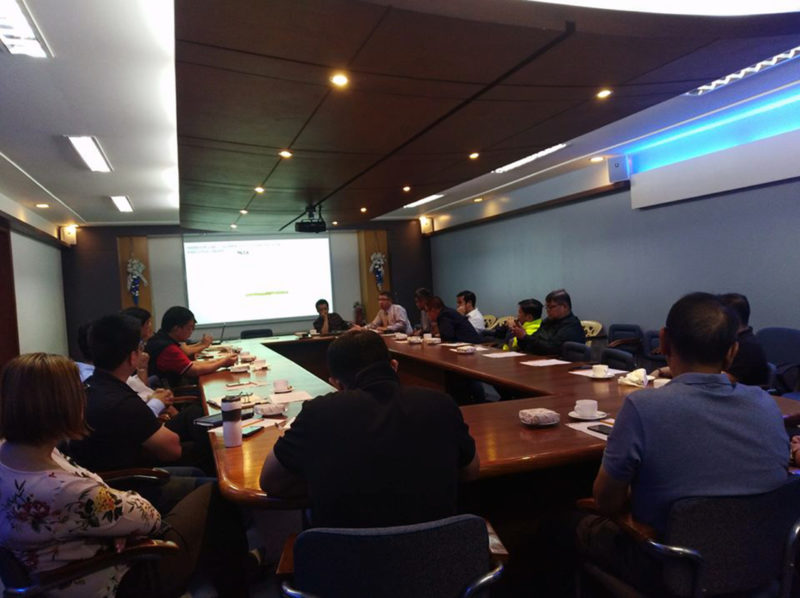
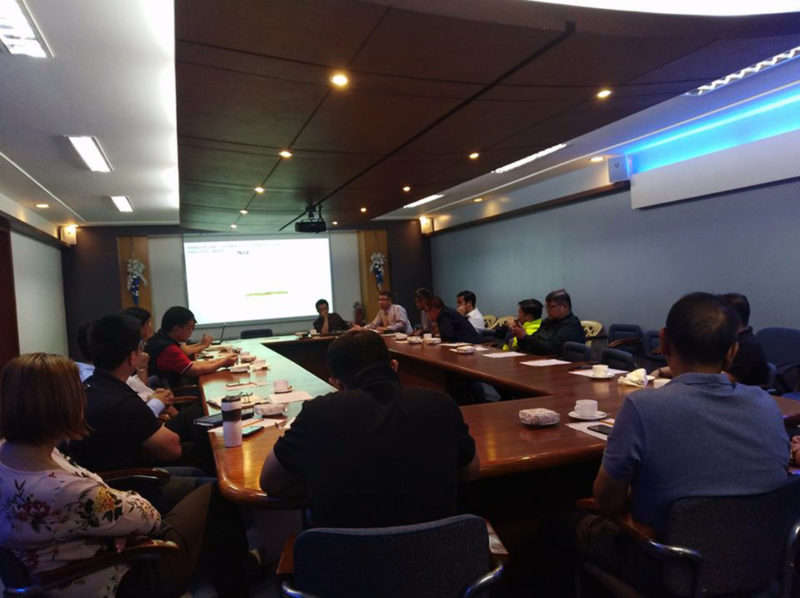
In a meeting called by the Association of International Shipping Lines (AISL) on December 12, industry stakeholders noted that the Navotas truck ban would limit the flow of trade and could result in higher logistics costs and longer delays for shipments, similar to what had happened during the 2014 and 2018 port congestions.
In 2014, the Manila city government enforced a truck ban that caused congestion in Manila ports and impaired the supply chain for almost a year. In the latter part of 2018 to early 2019, Manila international terminals and container yards in Metro Manila had experienced high utilizations due to several factors.
Other organizations that attended the December 12 meeting were the Alliance of Concerned Truck Owners and Organizations (ACTOO), Confederation of Truckers Association of the Philippines, Container Depot Alliance of the Philippines, and Manila terminal operators.
“This proposed truck ban derails everything that the industry has worked so hard to accomplish this year. There is no port congestion, volume has grown, and you see increases [in volume] in both Batangas and Subic,” Justin Tolentino, Asia Pacific director of International Container Terminal Services, Inc., which operates the Manila International Container Terminal, said during the meeting.
According to AISL president Patrick Ronas, the roads covered by the ban are used by trucks to go to and from the Manila ports, as well as to and from container depots in Navotas and nearby areas. He noted that the ban would not only affect foreign and domestic containers, but also the return of empty containers to container yards where exporters get empty boxes to stuff their shipments.
It was noted during the meeting that there are no near alternative depots available as most of the container yards in Bulacan have already stopped operations, while depots in Antipolo, Rizal are too far.
Moreover, it was remarked that turnaround of trucks has already been slowed by heavy traffic in the metropolis. It was also noted that banning of trucks for eight hours a day may not even result in the easing of traffic along the covered roads.
While the Navotas truck ban may not be felt instantly by January as historical data shows volume of shipments in Manila international terminals is typically low in January, the volume shoots up in the latter part of that month before the Chinese New Year. Volume slows again during the Chinese New Year but spikes anew in March.
According to ACTOO president Ricardo Papa, the Navotas truck ban comes at a time when truckers are also set to face other issues come January, including the enforcement of the Anti-Overloading Law by the Department of Public Works and Highways.
Each organization will be submitting its position paper to the city government of Navotas, furnishing copies to other concerned government agencies, on the effects of the ban on the supply chain and economy. – Roumina Pablo