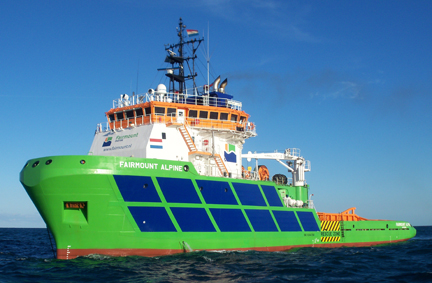
 Singapore – In a year fraught with mounting challenges for the shipping industry, Asia’s maritime community has come together in Singapore as it hosts one of Asia’s leading maritime events. The Asia Pacific Maritime (APM) 2012 opened March 14, delving straight into the global outlook of the maritime industry for 2012 with the first keynote conference, Asian Shipping: Coping with Turbulent Waters, which will present interesting perspectives from a distinguished panel of international maritime experts and top business leaders from across different maritime sectors.
Until March 16, the three-day exhibition and conference is expected to draw over 13,000 Asian visitors, an increase of 30% as compared to the 11th edition in 2010.
2012 is expected to be filled with ups and downs. While offshore marine and green shipping are showing promise, the global shipping industry continues to wrestle with familiar problems of overcapacity and low charter rates, tighter credit financing and keeping pace with stricter environmental regulations on bunker quality, carbon emissions and ballast water management. With the global shipping slump forecast to continue into 2013 by credit ratings firms, the recovery process will be restrained.
The high-powered series of 11 conferences at this year’s APM will focus on providing industry players with as much help as possible. More than 70 highly-regarded maritime experts and top business figures in the shipping world have been brought together to discuss and analyze the trends and concerns dominating shipping discussions at the moment, including Asia’s growth as a major player in global shipping.
Keynotes on Ship Financing in Asia (organized in partnership with ACI), Ballast Water Treatment, Green Shipping Conference (organised in partnership with Danish Marine Group) and Environmental Issues Affecting Bunker Suppler and Quality: The Asian Perspective (organized in partnership with the International Bunker Industry Association) as well as the 4th Offshore Support Vessels Summit (organized in partnership with ACI), will offer useful insights to participants as a mix of thought-leaders examine these vital sectors from various viewpoints.
There will also be a dedicated session on China’s dynamic shipbuilding industry, how it is coping amid the global economic slowdown and the bright spots and opportunities foreign players can tap onto.
“The center of gravity of the shipping industry is inexorably moving towards Asia. It is therefore important that the Asian industry participates in discussions at these international bodies and contribute to the development of global industry positions on the challenges that affect us,” said keynote speaker Simon Bennett, External Relations Director, International Chamber of Shipping (ICS).
Industry players are also not losing hope. “Regardless of the often unfavorable speculations, there is no commercially viable alternative to this industry and trends are often cyclical with crest and troughs over time domains. What commercial trough in a region can be a boom or crest in other regions,” said Eur. Ing. Yeo Cheng Kwan, Marine Quality Advisor, SapuraAcergy.
Photo from http://www.apmaritime.com/en/Home/