The Philippine accreditation system for the Authorized Economic Operator (AEO) program has been released by the Bureau of Customs, three years after the scheme was introduced by the agency.
 The AEO concept is one of the main building blocks within the World Customs Organization Framework of Standards to Secure and Facilitate Global Trade (WCO-SAFE). It paves the way for the establishment of a voluntary certification program that aims to help certain economic operators in the international supply chain adopt control measures to enhance the security of the chain.
AEO certification means fewer physical border controls, less paper reports, reduced risks and priority treatment for goods selected for examination.
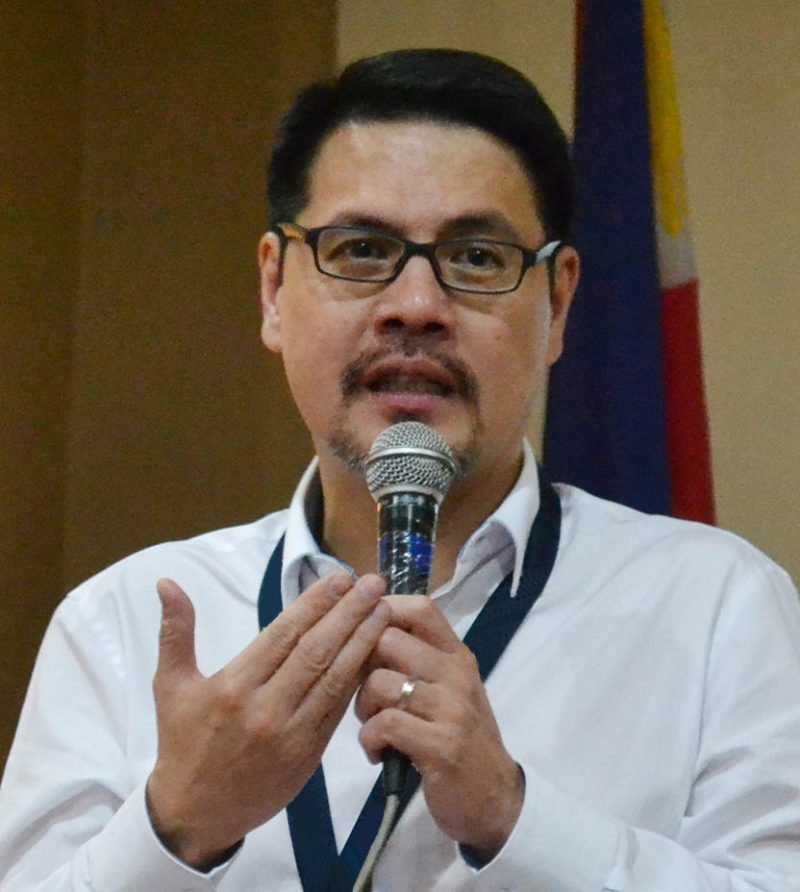
Customs commissioner Rozzano Rufino Biazon recently signed Customs Administrative Order (CAO) No. 1-2012 aimed at creating an accreditation procedure that offers certain benefits and incentives to certain economic operators considered as BOC’s trusted allies.
“The order will also reduce processing periods, (translate to) last priority in post-entry audits, (provide accredited companies with) recognition as a low-risk company, (cause) reduced inspection or expedite clearance if covered by mutual recognition programs under bilateral/multilateral arrangements, and other trade facilitation benefits which the BOC may give under existing laws and regulations,” Biazon said.
The order has been approved by Finance Secretary Cesar Purisima pursuant to the commitment made by the Philippines to implement WCO-SAFE as well as the Revised Kyoto Convention on the Harmonization and Simplification of Customs Procedures.
Under CAO 1-2012, accredited companies will be responsible for updating the BOC when there are significant changes in their security profile and information, and of providing information on any non-conformity with the program guidelines.
The AEO program will first be implemented within Clark Freeport Zone upon consultation with the private sector and shall cover exporters in other selected air/sea ports.
It maybe recalled that during the time of former commissioner Napoleon Morales under the Arroyo administration, the BOC pushed forward adoption of the AEO but this was shelved due to lack of technical know-how by bureau personnel.
Under the 2009 Philippine version of the AEO program — dubbed C-TAPAT or Customs-Trade Alliance to Protect and Accelerate Trade patterned after the US C-TPAT (Customs-Trade Partnership Against Terrorism) program — economic operators who want to be accredited under C-TAPAT must have the following: security management systems in place; risk assessment of their business operations; security measures stipulated in this order should be included in the company’s security policy, objectives and commitment; and procedures for communicating security management information to all stakeholders.
“Global Transportation” by njaj
Free image courtesy of FreeDigitalPhotos.net