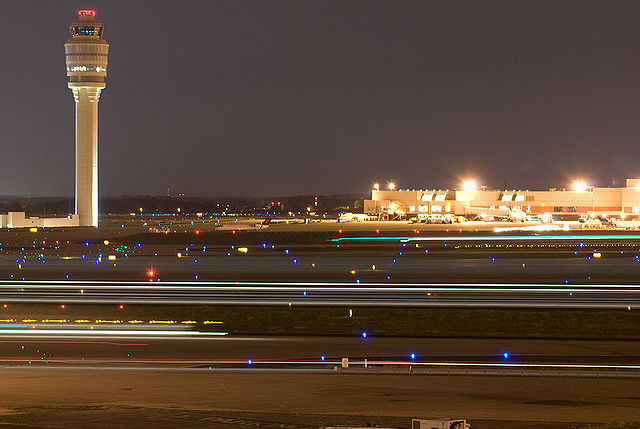
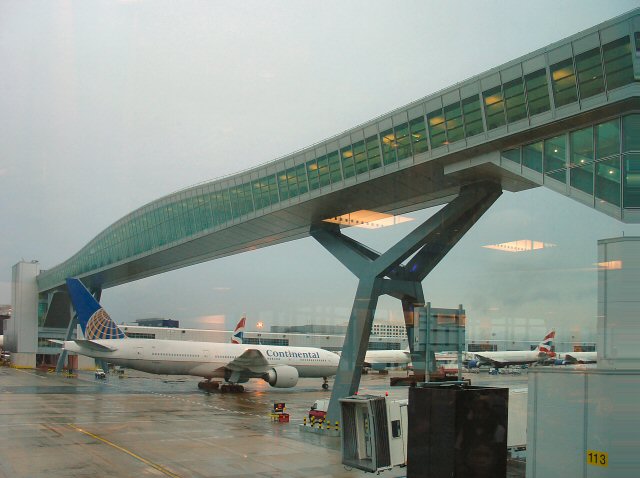
 In the midst of trade volatility and geopolitical conflicts, the air cargo industry ended 2016 on a strong note and passenger traffic remained resilient, according to the Airports Council International (ACI).
“Whether it was caused by Brexit, the American presidential election, or the hostilities in Syria, the spectre of economic uncertainty permeated the global economy and the aviation sector throughout 2016,” said ACI in a new analysis.
“The increased rhetoric about protectionist policies in some Western countries also threatens the trend toward increased air service liberalization, otherwise known as Open Skies.”
Despite all these, it said aviation was able to adapt to and recover from adversities, adding that since the end of the Great Recession in 2009 and early 2010, global passenger traffic has risen 5.5% on an annual basis.
In 2016, terrorist attacks around the globe, including those at Istanbul Ataturk Airport and Brussels Airport, represented a setback for aviation in affected countries, but the net effect on air transport demand was minimal. ACI said that in the months following the attacks, passengers responded by simply avoiding the targeted airports and transferring to other hubs.
“The array of connecting options at airports across Europe and the Middle East for medium and long haul flights allowed passengers to quickly substitute connecting airports on their journey,” it said.
Global passenger traffic grew 7.3% in December 2016 and 5.5% for the year as a whole. The fact that Christmas and the Gregorian New Year holidays fell on the weekend partly accounted for the boost in traffic in December.
International passenger traffic grew faster than the domestic component in 2016. All regions except Africa posted growth in passenger volumes for the year, ranging from 2.2% in the recessionary Latin America-Caribbean region to over 9.0% in the buoyant Asia-Pacific and Middle East regions.
Meanwhile, African passenger traffic dropped by 1.9%. The mature markets of Europe and North America grew 5.0% and 3.9%, respectively, for 2016 and continued to be well above the regions’ historical growth levels.
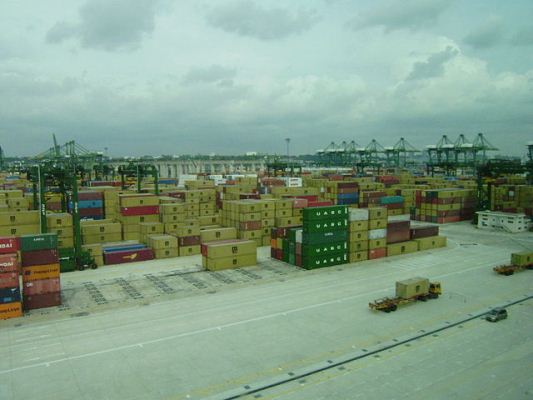
For the air freight sector, markets experienced a revival in the second half of 2016. Volumes increased 3.5% for the year as a whole with a dramatic jump of 8.9% in December, brought on by an increase in volumes at airports in the European, Middle East, and Asia-Pacific regions. In fact air freight volumes in each of these regions increased over 10.0% in December, said the report.
“Despite the long-term uncertainty regarding trade policies, heightened business confidence through inventory build-ups and increased export orders remained apparent in the near term,” said ACI.
The ACI is the trade association of the world’s airports. As of January 2017, it serves 623 members operating 1,940 airports in 176 countries.
Photo: Omoo