
 International air passenger markets sustained their growth in November, underpinned by continued strength in the global services sectors, while air cargo volumes remained relatively high but demand growth was almost flat for the month, according to the Association of Asia Pacific Airlines (AAPA).
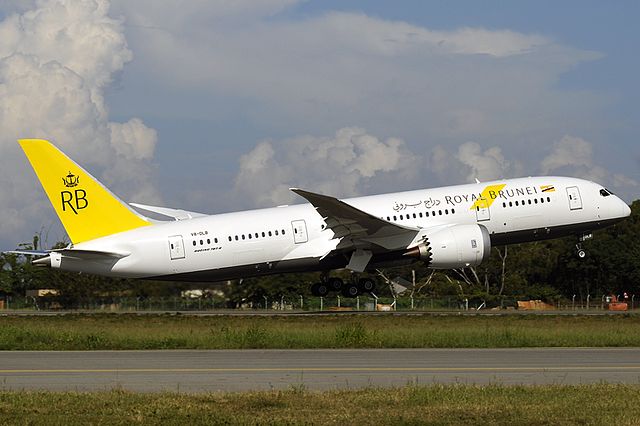
The region’s airlines carried a combined total of 29.0 million international passengers in November 2018, representing a 6.2% increase compared to the same month last year.
Measured in revenue passenger kilometer terms, demand increased by 6.5%, reflecting relative strength on long-haul markets. Available seat capacity expanded by 6.0%, resulting in a slight increase in the average international passenger load factor by 0.3 percentage points to 79.3% for the month.
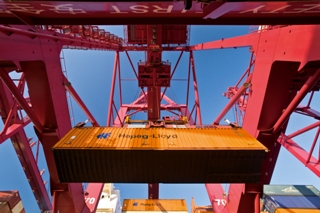
International air cargo demand as measured in freight tonne kilometers edged 0.1% higher in November, just matching the strong demand recorded during the same month in the previous year. Offered freight capacity increased by 5.9% leading to a 3.8 percentage point decline in the average international freight load factor to 65.2%.
Andrew Herdman, AAPA director general, said, “Business and leisure travel markets continued to expand at an encouraging pace for the region’s airlines, on the back of continued global economic expansion and rising regional living standards.”
Overall, for the first 11 months of the year, Asian airlines registered a healthy 7.1% increase in the number of international passengers carried to an aggregate total of 325 million.
“Meanwhile, the moderation in export activity with slowing business orders contributed to the slowdown in air cargo growth for the month, although this was mitigated by higher volumes of e-commerce shipments going into the end-year festive season,” Herdman said.
Overall, the region’s airlines recorded a cumulative 4.3% increase in air cargo demand during the first 11 months of the year, a reasonably solid growth rate following the exceptionally strong 9.6% annual increase recorded in 2017.
Looking ahead, Herdman said overall prospects remain relatively positive. “Continued moderate growth in the global economy and lowered oil prices should support further expansion in air travel demand and air cargo markets in the coming year,” he said.
However, there are downside risks to the forecast, which he said emanate from the recent deterioration in trade sentiment and the uncertainties over its potential impact on consumer confidence levels.
Photo: Jahurz