
 The International Air Transport Association (IATA) has adopted a resolution to accelerate the modernization and transformation of the air cargo industry.
The resolution, firmed up at the IATA’s recent annual general meeting, builds on the momentum created by the entry into force of the World Trade Organization’s Trade Facilitation Agreement (TFA), which commits governments to make trade faster, cheaper, and more efficient.
“Air cargo processes are stuck in another century. To ensure that air cargo is ready to benefit from the expected $1 trillion boost in trade growth arising from the TFA and the improving global economic environment, we need a major overhaul of industry processes,” said Alexandre de Juniac, IATA’s director general and CEO.
“The time is right for change. After several years of virtually no growth, air cargo demand is starting to pick up. We are also seeing new business opportunities with internet commerce and the global distribution of time and temperature sensitive cargo, especially pharmaceutical products,” added de Juniac.
The IATA resolution calls for the air cargo industry to conclude the digitization of the supply chain, and adopt modern and harmonized standards to facilitate safe, secure, and efficient operations.
It likewise seeks the use of enhanced technology based on intelligent systems able to self-monitor, send real-time alerts and respond to deviation, as well as the harnessing of data to drive efficient and effective industry quality improvements.
On the governments’ side, the resolution calls for their support of the industry’s modernization process by rapidly implementing the TFA “so its substantial benefits such as harmonized rules for expediting the movement, release and clearance of goods crossing borders and the acceptance of e-payments and electronic documentation can be realized.”
It also pushes for governments to develop smart regulations that not only improve the safety and security of the air cargo supply chain, but also facilitates the efficient transport of goods.
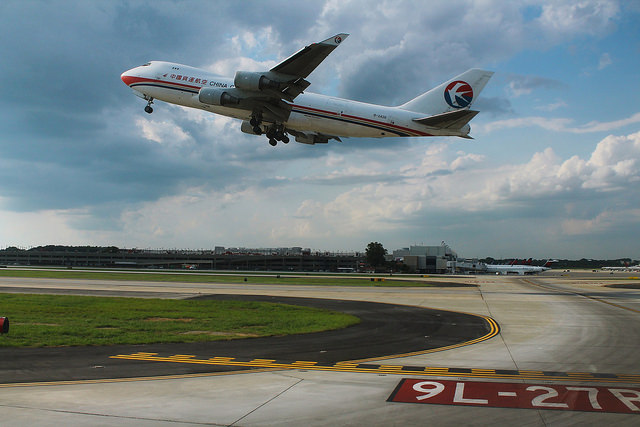
Photo: Formulanone