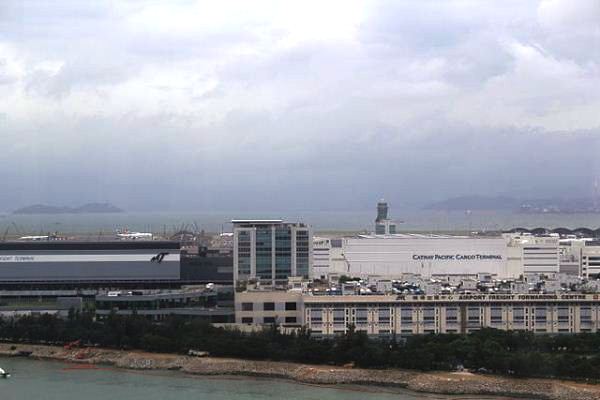
THE government is prioritizing the expansion of domestic and international airports to help reduce logistics costs and raise the competitiveness of Philippine products.
Addressing the local and international business community during last Friday’s 2008 economic briefing, President Gloria Macapagal-Arroyo said government is setting aside a larger chunk of its infrastructure spending for the development of airports to spur growth in the countryside.
The government is also studying the possibility of allowing other international carriers — aside from the nominated airline of the country where the Philippines has reciprocal rights — to land at Clark or Diosdado Macapagal International Airport without negotiating another bilateral agreement aside from the existing one, she said.
“In the North, airports there should be geared towards cargo operations specifically agricultural products just like the one in Pangasinan where it should be able to accommodate both passengers and cargo,” the President explained.
“There is also a need to immediately operate the Ninoy Aquino International Airport Terminal 3 as it is the gateway to the Philippines,” she added.
NAIA 3 is still undergoing technical and struc-tural upgrades.
Others for imp-rovement are Iloilo, Bacolod and Bukidnon.