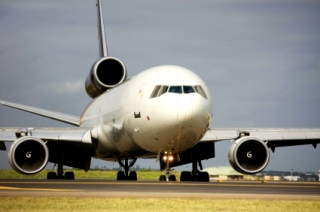

 International air cargo demand for February 2012 grew by 7.8 percent compared to the softer freight market conditions last year when the Chinese New Year holidays fell in February, according to traffic results released by the Association of Asia Pacific Airlines (AAPA).
Offered freight capacity increased by 6 percent, with an average international cargo load factor of 66.1 percent, AAPA said in a press release on March 27.
But taking January and February together, the region’s carriers recorded a 4.3 percent decline in international freight traffic, “a reflection of continued weakness in air freight markets, where surplus capacity has also been putting downward pressure on shipping rates,” said Andrew Herdman, AAPA director general.
The Kuala Lumpur, Malaysia-based trade association also warned that the industry remains in a difficult situation.
Herdman said, “The outlook for the aviation industry remains challenging, with oil averaging US$118 per barrel so far this year, which could act as a brake on prospects for the global economy, given the fragility of the recent recovery.”