 Asia-Pacific airlines delivered more than 8% more freight in April 2017 as global traffic growth remained strong, although easing from a month ago, according to the International Air Transport Association (IATA).
Asian carriers saw freight volumes expand 8.4% in April year-on-year, as global demand, measured in freight tonne kilometers (FTKs), rose 8.5% in the month compared to the year-earlier period, IATA said.
The increase in volumes for Asian airlines reflects the strength of the order books reported by exporters across the region. “Seasonally-adjusted volumes recently surpassed the levels reached following the 2010 post-global financial crisis bounce-back,” IATA added.
Overall global air freight was down from the 13.4% year-on-year growth recorded in March 2017, but it is well above the average annual growth rate of 3.5% over the past five years.
IATA said business confidence remains consistently upbeat, suggesting year-on-year FTK growth will remain robust for the rest of the second quarter.
However, there are signs that the cyclical growth peak for air cargo has passed, particularly given that the inventory-to-sales ratio stopped falling at the end of last year.
IATA explained that air cargo often sees a boost in demand at the beginning of an economic upturn as companies look to restock inventories quickly. This tapers as inventories are adjusted to new demand levels.
Over the whole year, air freight is headed for a healthy growth rate of 7.5%, supported by strong pharmaceuticals and e-commerce.
“Demand eased in April. Growth rates, however, are still much more robust than anything we have seen in the last six years,” said Alexandre de Juniac, IATA’s director general and CEO.
All regions except Latin America reported year-on-year increases in demand in April 2017. Airlines in Europe and Asia-Pacific accounted for more than 70% of the annual increase in global freight volumes. North American airlines accounted for much of the rest, with Middle Eastern and African airlines also making a positive contribution.
North American carriers posted an increase in freight volumes of 7.3% in April 2017. The strength of the U.S. dollar continues to boost the inbound freight market but is keeping the export market under pressure.
European airlines posted a 12.9% increase, a slight slowdown from March but still well above the five-year average of 3.5%, as the ongoing weakness of the Euro has benefited the region with strong export orders over the last few months.
Middle Eastern carriers’ year-on-year freight volumes increased 3.1% in April 2017, plunging from the 16.3% increase in March. The drop appears to be related to volatile monthly developments last year rather than a pronounced downturn.
Latin American airlines experienced a contraction in demand of 1.9% in April 2017 compared to the same period in 2016. Demand is now 18% lower than at the peak in 2014, said the report.
African carriers posted the largest year-on-year increase in demand of all regions in April 2017 with freight volumes growing 26%. IATA said demand was boosted by very strong growth on the trade lanes to and from Asia, which have increased by nearly 55% so far this year.
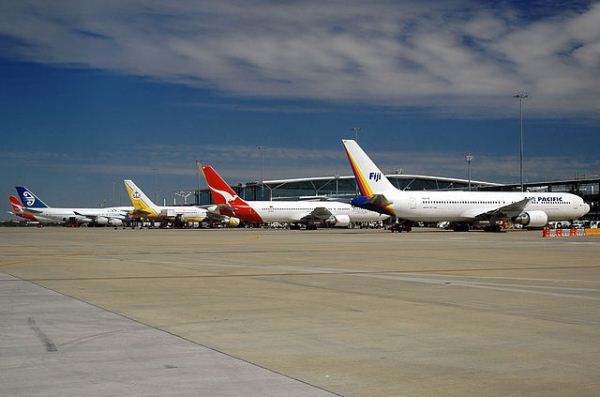
Photo: Robert Frola