 Asia-Pacific airlines have been reporting traffic growth for both passenger and cargo businesses, but are also encountering increased pressure on yield due to overcapacity in the market, according to the Association of Asia Pacific Airlines (AAPA).
The association said in a new statement that while regional carriers have seen strong growth in passenger traffic and modest expansion in air cargo this year, competition is growing and profitability is declining.
“Asia Pacific airline leaders are endeavouring to reverse recent declines in profitability, where fierce competition has resulted in reduced yields for all carriers, regardless of business model,” it added.
The region is the world’s biggest aviation market, where many of the busiest air routes are found, but the competition is such that up to a dozen airlines from within and outside the region duke it out on a single route.
On the cargo front, Andrew Herdman, AAPA director general, said that although there has been a slight uptick in airfreight this year, regional carriers, particularly those operating dedicated freighter fleets, are also seeing a slowdown in traffic, reflecting recent world trade conditions.
“Whilst the outlook for continued passenger growth looks positive, the cargo situation is more uncertain. Overall, there is continued pressure on airline leaders from the region who are endeavouring to boost profitability to support future growth,” he added.
To improve profitability and ensure long-term sustainability, Asia-Pacific airlines should continuously review their fleet and network development plans in line with evolving market trends, AAPA said.
Cathay Pacific volume up 4.6%
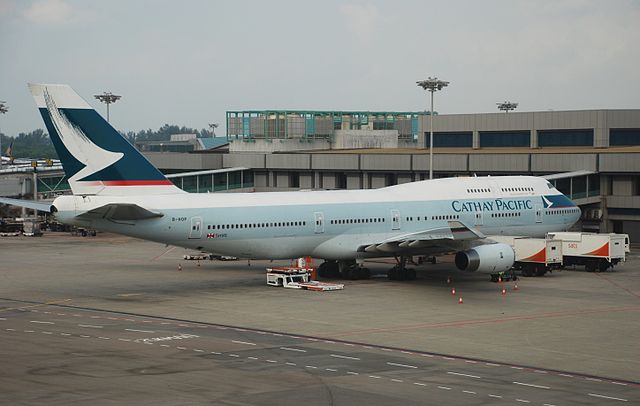
Meanwhile, Hong Kong’s sister airlines Cathay Pacific and Dragonair posted freight traffic growth in October, carrying 163,733 tonnes of cargo, or an increase of 4.6% compared to the same month last year.
Cathay Pacific general manager for cargo sales & marketing Mark Sutch said the holiday peak season is propelling the growth. “Demand for airfreight shipments continued to climb as we moved into the traditional peak period. We moved to a full freighter schedule as traffic on the transpacific routes increased and demand to and from India continued to strengthen.”
This year’s cargo peak will likely run through until the end of November, he added.
Cargo and mail load factor rose by 1.4 percentage points to 66.5%. Capacity, measured in available cargo/mail tonne kilometers, rose by 0.8% while cargo and mail revenue tonne kilometers (RTKs) flown increased by 2.9%.
In the year to the end of October, tonnage rose by 5.5% against a capacity increase of 6.5% and a 6.8% rise in RTKs.
Despite the volume growth, Sutch said overcapacity in the market continues to put pressure on yield.
Photo: Terence Ong