 The Intergovernmental Agreement on Dry Ports developed under the auspices of the United Nations Economic and Social Commission for Asia and the Pacific (ESCAP) entered into force in April.
The agreement was adopted in Bangkok on May 1, 2013 and was opened for signature by Asia-Pacific countries on November 7, 2013. As of April 2016 it has been signed by 17 states, and the treaty entered into force on April 23, 2016 after having been ratified by the requisite eight states.
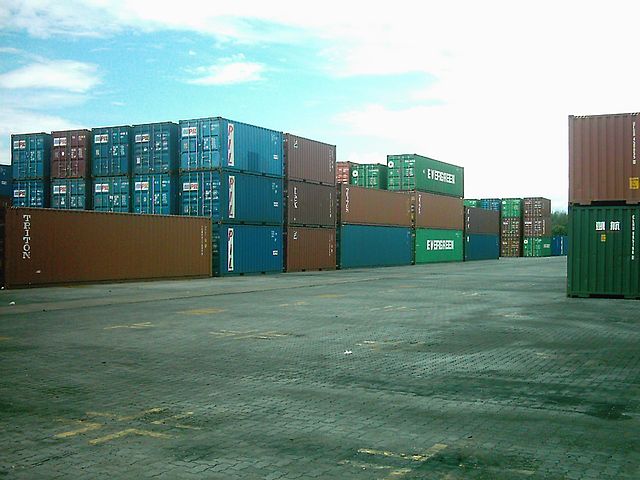
A dry port is an inland intermodal terminal directly connected by road or rail to a seaport and operating as a center for the transshipment of sea cargo to inland destinations.
According to an ESCAP statement, the agreement aims to promote the development and recognition of dry ports in the region to enable landlocked countries and areas to get their goods and services to market. The treaty is seen to facilitate investment in dry port infrastructure, improve operational efficiency, and enhance the environmental sustainability of transport.
The agreement also signals a move to a more sustainable growth path as dry ports create the conditions for the much-needed shift of cargo flows from road transport alone to intermodal options.
Using road services in combination with more energy-efficient, less-polluting alternatives such as rail, short sea shipping and inland waterways will play an important role in ensuring a more sustainable and inclusive Asia-Pacific region, said ESCAP.
“By serving similar functions as ports away from coastal areas, such as consolidation and distribution centers, dry ports can create new economies of scale, reduce transport costs and generate employment opportunities for local populations,” added the statement.
“This agreement comes at a critical time in history, as Asia’s demand for efficient transport and logistics is growing, with the 61 per cent of the world’s population in the region generating 30 per cent of the world’s gross domestic product and an ever-growing share in the volume of goods traded worldwide.”
The network of dry ports defined through the agreement supports the Asian Highway and Trans-Asian Railway networks and ushers in greater prospects for the development of efficient international intermodal freight corridors, said ESCAP.
China is the latest to become a party to the agreement by depositing its approval of the agreement with the United Nations Secretary-General. The eight other countries to have done so already are Bangladesh, India, Kazakhstan, South Korea, Russia, Tajikistan, Thailand, and Vietnam.
Photo: Only Truth