 Asian Terminals Inc. (ATI) reported a net income of P2.9 billion in 2018, 15.8% higher than the P2.5 billion earned in 2017, as the port operator handled record cargo volumes at its gateway ports in Manila and Batangas.
Revenues went up 15.8% to P12.3 billion last year from P10.6 billion in 2017, driven by higher volumes of international containerized cargoes, ATI said in a disclosure to the Philippine Stock Exchange.
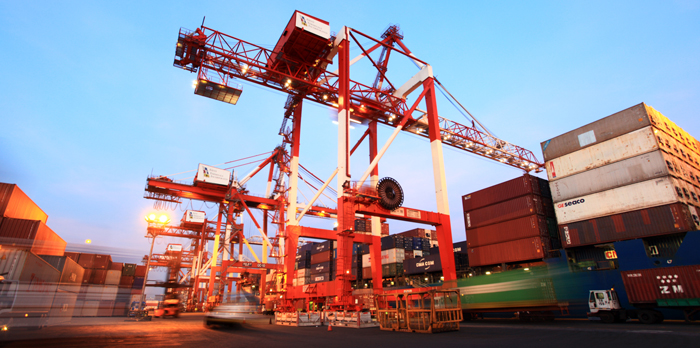
International gateway ports Manila South Harbor and Batangas Container Terminal (BCT) handled a combined container throughput of over 1.4 million twenty-foot equivalent units (TEUs), the highest thus far for the port operator.
International boxed cargoes handled at Manila South Harbor in 2018 reached over 1.3 million TEUs, an increase of over 6% from 2017. BCT, on the other hand, handled nearly 250,000 TEUs, up 25% compared to the previous year.
“In synergy, Manila South Harbor and Batangas Container Terminal have effectively supported government’s drive for inclusive growth within and outside Metro Manila by continuously opening direct market connectivity and delivering competitive port services to shippers based in the country’s national capital and southern Luzon regions,” ATI said in a statement.
The port operator noted that Batangas Port, in particular, has contributed to decongesting Metro Manila roads, as last year’s cargo volume meant taking out over 125,000 truck trips along metro roads, with more Calabarzon (Cavite, Laguna, Batangas, Rizal and Quezon) shippers preferring to route consignments through BCT.
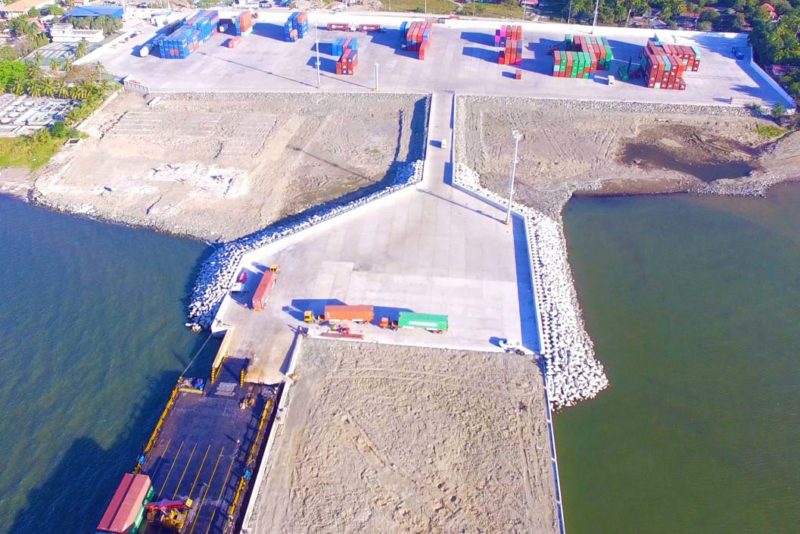
ATI earlier announced that major expansion projects are underway at both Manila and Batangas ports in support of future cargo growth.
The company has a capital investment of about P14.7 billion for 2019-2020, the fund to be used to develop more berths and storage spaces at Manila and Batangas ports, establish additional container yards outside the port zones, acquire more cargo handling equipment, and invest in innovations. All this, it added, would redound to greater efficiencies and a safer port environment for stakeholders.
By the second quarter of 2019, the expansion of BCT will be fully completed, bringing its capacity from 350,000 TEUs to over 450,000 TEUs annually. The terminal is now equipped with four quay cranes, eight rubber-tired gantry cranes and additional mobile container handling equipment.
By end-March, ATI’s Sta. Mesa container storage facility will be able to accommodate Customs-cleared laden boxes, and in April a new five-hectare container depot will be opened outside of the Port of Manila.