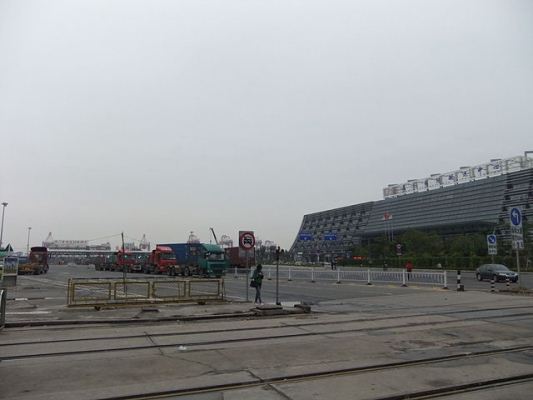


Philippine port operator Asian Terminals Inc. (ATI) has renewed its contract to operate, maintain, and develop the Batangas Port Phase 1 for another 10 years.
In a disclosure to the Philippine Stock Exchange, the port operator said it signed on October 2 with its subsidiary ATI Batangas, Inc. (ATIBI) and the Philippine Ports Authority (PPA) the “Contract for the Management, Operation, Maintenance, and Development of Phase 1, Port of Batangas.”
The contract is effective from October 1, 2015 to September 20, 2025.
ATI’s presence in Batangas started in 1997 when it acquired majority stakes in Aries Arrastre Services Inc., then the operator of Batangas Port. ATI renamed AASI into ATI Batangas, Inc. that same year.
Batangas Port (Phase 1) is the top domestic port in the country in terms of passenger volume and serves as the primary springboard for commodities between mainland Luzon, the Mimaropa (Mindoro, Marinduque, Romblon and Palawan) region, and other nearby Visayas island destinations.
According to ATI, the port handles over 3 million outbound passengers annually and facilitates the transit of over 200,000 vehicles via high-speed inter-island ferries and roll-on/roll-off vessels plying the Luzon-Visayas interisland routes.
Given its location, the port also serves as a strategic staging ground for domestic containerized trade between Luzon, Visayas, and Mindanao.
Aside from domestic operations, Phase 1 also handles international general cargoes, as well as bulk and break-bulk cargoes such as high-density rocks, steel, lumber, completely built units, and other bagged and project cargoes.
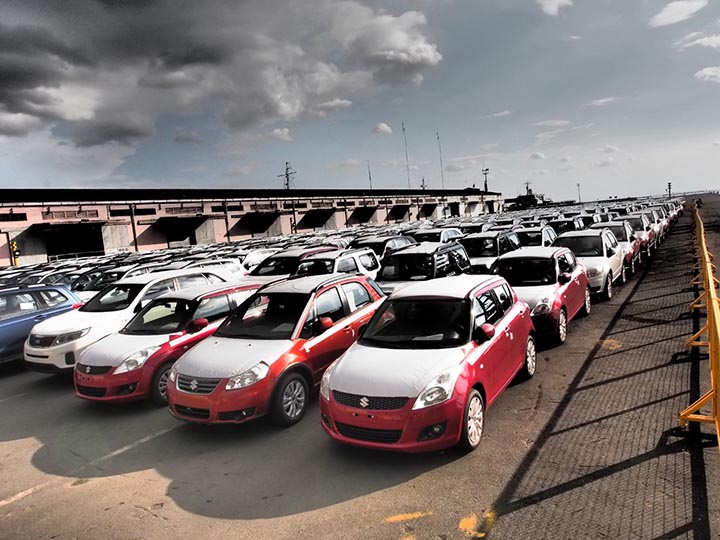
The port handles over 70,000 deliveries of compact cars, sedans, vans, and Asian utility vehicles for the biggest car brands in the country, accounting for more than half of national car sales annually.
The Port of Batangas likewise serves as a supply depot for energy exploration companies based in offshore Palawan.
Aside from Phase 1, ATI, through ATIBI, also operates and maintains Batangas Port Phase 2, or the Batangas Container Terminal. ATI likewise operates the Manila South Harbor container terminal.