 Amid increased demand for refined sugar, the Bureau of Internal Revenue (BIR) has formed a task force to inventory sugar stocks and monitor shipments of the commodity into the country to ensure that the correct taxes are paid on these imports.
In a report to Finance Secretary Carlos Dominguez III, BIR Commissioner Caesar Dulay said the task force will monitor not only importers, but millers, planters, traders and dealers of refined sugar as well.
Dulay said he already wrote the Sugar Regulatory Administration (SRA) in July asking for data on sugar importers.
According to BIR Deputy Commissioner Arnel Guballa, the bureau was able to collate an initial list of millers and planters who have sold their rights to import sugar.
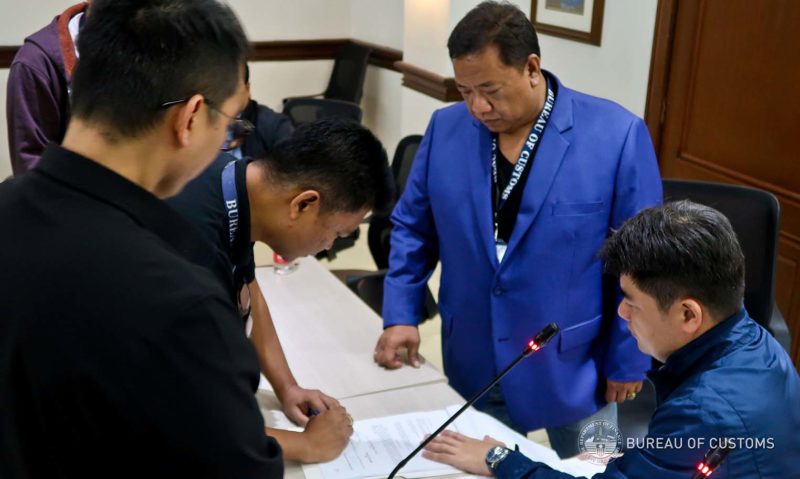
“The Task Force on Sugar is undertaking inventory stock-taking [to] validate the volume of imports based on allocations, and ascertain the payment of correct taxes by importers, local planters and millers,” Guballa said during an Executive Committee (execom) meeting.
On top of ordering the BIR to ensure that importers are paying the correct amount of taxes, Dominguez also directed the BIR and Finance Undersecretary Gil Beltran to review the current policy of the SRA that allows farmers’ and planters’ associations that have been awarded import allocations to sell their rights to traders.
Dominguez said local sugar millers and planters who sell their importation rights should also be taxed for profiting from such a privilege.
According to preliminary data gathered by the BIR, traders pay local millers and planters who sell their rights around P500 per bag.
“May import duty ’yan, may tax (There’s import duty and there’s tax) and the one who received that payment for the right to import, he should also be taxed. Talk to the SRA about this and raise all these issues,” Dominguez told BIR officials during the execom meeting.
Dominguez said that with the current system of traders buying the rights to import sugar, the price of the commodity has remained high in the retail market.
“They (traders) are able to bring down the landed cost of sugar here by only a very small amount because there’s this fee that is paid” to be able to buy the rights to import sugar, Dominguez noted.