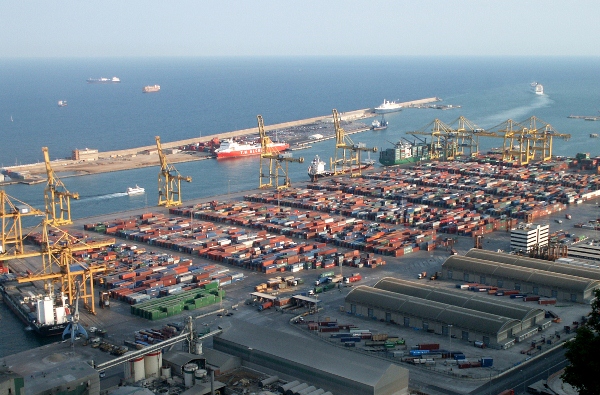

The Bureau of Customs (BOC) has prohibited arriving foreign vessels and aircraft, especially those whose last port of call was an African Swine Fever (ASF)-affected country, from discharging their kitchen refuse, leftovers, and food wastes, part of measures to prevent the virus from entering the country.
The discharge of kitchen refuse, leftovers, and food wastes will constitute a prohibited importation under Section 118(g) of the Customs Modernization and Tariff Act (CMTA), according to a memo dated August 27 and signed August 30 by Customs commissioner Rey Leonardo Guerrero. The order states further that the prohibition is in line with customs, immigration, and quarantine formalities.
The memo notes that due to the growing concern over the continuous spread of ASF, for which no treatment or vaccine has yet been developed, there is clamor to observe stringent quarantine protocols. Consequently, due to possible commingling with ASF-infected port and pork-based products, the discharge of kitchen refuse, leftovers, and food wastes from arriving foreign vessels or aircraft whose last port of call is an ASF-affected country is considered a high-risk path for the introduction of the virus to the population.
The memo notes that Section 202(f) of the CMTA empowers BOC to exercise supervision and control over the entrance and clearance of vessels and aircraft engaged in foreign commerce, while Section 302 instructs the customs bureau to cooperate in enforcing port quarantine regulations.
BOC earlier also directed its officers to coordinate with the Bureau of Animal Industry personnel at all international air and sea ports in the conduct of rigid inspection, especially of the checked-in and hand-carried luggage of all incoming passengers from ASF-infected countries, and to confiscate all pork and pork-related products coming from these countries within 24 hours of interception.
The Department of Agriculture (DA), through various memorandum orders, has banned the importation of pork and pork-based products from ASF-affected countries. The Food and Drug Administration has also temporarily banned the importation, distribution, and sale of all processed pork meat products from Hong Kong, North Korea, Laos, Germany, China, Hungary, Latvia, Poland, Romania, Russia, Ukraine, Vietnam, Zambia, South Africa, Czech Republic, Bulgaria, Cambodia, Mongolia, Moldova, and Belgium.
About 95% of the pork supply in the Philippines is locally sourced, and while the virus does not pose any health risks to humans, there is no known vaccine to prevent the virus from spreading to and destroying the local livestock production.
According to the Bureau of Animal Industry, an outbreak of the virus could affect more than 40 million live hogs/pigs in the Philippines and destroy the country’s P2-billion swine industry. For its part, the BOC, together with partner agencies, has been taking strict measures to prevent the entry of diseases and illegal products.