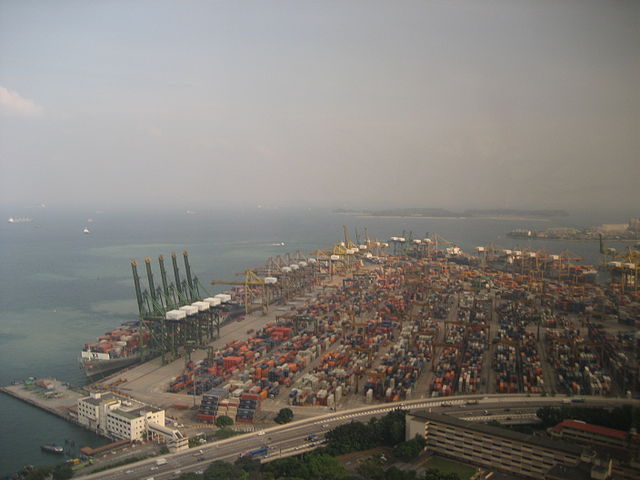

The Philippine Bureau of Customs (BOC) is now implementing at the Manila International Container Port (MICP) the Goods Declaration Verification System (GDVS), a new way of processing the import entry declarations at the port’s Formal Entry Division (FED).
Customs Memorandum Order (CMO) 31-2017, signed December 7 CMO 31-2017 and which took effect immediately, formalizes the new system introduced and pilot-tested at BOC-Port of Manila in late October, and then at BOC-MICP a week later.
The CMO initially covers MICP and, once implementation of the system stabilizes, will be implemented at the Port of Manila.
BOC-MICP, in coordination with the Management Information System and Technology Group, recently rolled out the implementation of GDVS, the second version of the Entry Status Verification System.
GDVS covers import entry declarations processed by all sections of the port’s FED, or the FED’s equivalent unit.
Under the new system, appraisers and examiners who will process the encoded entries are randomly assigned entry numbers.
The names of customs personnel processing the entry will not be indicated on the monitor, CMO 31-2017 states.
The new system also allows customs brokers and importers to check for updates on the status of their entries through display monitors and kiosks deployed at the port premises.
Specifically for this purpose, two computer terminals and five television monitors have been installed. They show the entry’s status, the previous and current lane the shipment is tagged under BOC’s selectivity system, remarks, and date and time.
The display monitors and kiosks will also indicate any additional documents needed to process the entry. The additional documents will then be submitted to a designated help desk, which will locate the examiner/appraiser processing the entry.
Customs Commissioner Isidro Lapeña earlier said the new system for processing entries under FED was implemented to prevent collusion or bribery between examiners and the customs brokers or importers who are seeking to fast-track processing of shipments.
With the new system in place, 15 sections of the FED were removed, lessening face-to-face transactions and familiarity between customs examiners and appraisers and customs brokers and processors. – Roumina Pablo
Image courtesy of khunaspix at FreeDigitalPhotos.net