
 Container ships’ losses in 2011 and continued struggles in 2012 are primarily of their own making, not the result of market forces, and they can reverse their dire situation by studying and correcting their mistakes, says a new report by The Boston Consulting Group (BCG).
The report, titled “Charting a New Course: Restoring Profitability to Container Shipping,” said the industry’s ongoing poor performance is “primarily the result of a self-inflicted supply-and-demand imbalance, which triggered intense competition and price wars.”
It explained that the industry is harming its own economics by following “misguided practices,” especially those affecting capacity and pricing decisions.
But carriers can improve their performance and recover their profitability by adopting more disciplined business practices, the report, released October 11, said.
“Although it’s true that carriers are exposed to market forces that make profitability hard to sustain, they can overcome these challenges by bringing the right mix of discipline and diligence to each aspect of the business,” said Ulrik Sanders, a BCG senior partner and coauthor of the report.
Carriers must shift their mindset to apply more disciplined practices and compete selectively to ensure a profitable business, the consultancy said.
“Carriers can no longer rely on a one-size-fits-all approach,” said Dinesh Khanna, a BCG partner and coauthor of the report. “They must decide how and where to compete by analyzing profit pools and the cost to serve specific markets and customers.”
“Ultimately, carriers must stop making decisions primarily on the basis of capacity and utilization levels,” said Lars Faeste, also a BCG partner and coauthor of the report.
He added that the industry should find ways to make money in periods of excess supply through capacity control. “These actions include not only slow steaming, idling vessels, and scrapping tonnage but also intelligently pricing services. Additionally, carriers must not hesitate to shut down a business that doesn’t deliver economic results.”
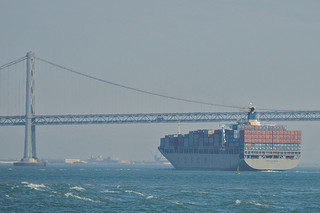
Photo: pmarkham