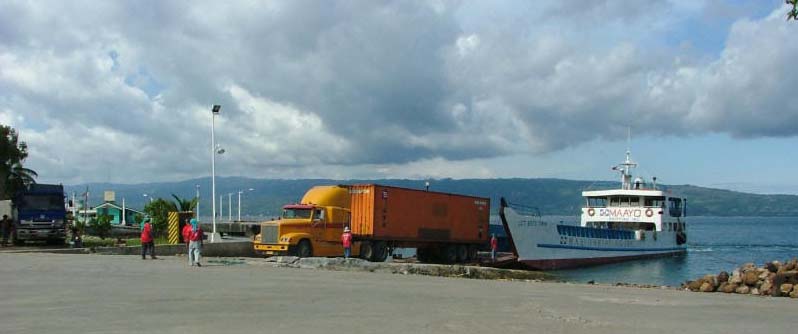
 The global container port demand growth rate is expected to soften, down from an estimated 4.7% in 2018 to just over 4% in 2019, said shipping analyst and consultant Drewry Maritime Research.
Drewry said 4% remains a “very respectable” figure nonetheless, and should add over 30 million twenty foot equivalent units (TEUs) to the world total.
However, the projection for 2019 is highly uncertain due to the U.S.-China tariff wars, Brexit, and other downside risks, said Drewry.
In terms of investing in new capacity, continued caution by investors and operators is anticipated because returns are not what they used to be. Even Chinese players may be affected if China’s economy slows markedly. Greenfield expansion projects will be the area hardest hit. Nevertheless, a global capacity addition of over 25 million TEUs can be expected in 2019, representing a spend of more or less US$7.5 billion.
The good news for the industry is that there will be no significant increase in maximum container ship size as maximum TEU intake is going up but physical dimensions are not.
However, cascading will still be very much at work across all trade routes, and each port will see increasing pressure on whichever berths are able to handle the biggest ships, as well as an increased obsolescence of older berths.
On IT developments, opportunities offered by digitization, automation, blockchain, smart ports, Internet of Things, hyperloop, and other new technologies will continue to be vigorously explored by both terminal operators and port authorities.
“However, the big challenge remains to be how to find the way through the minefield of options to focus on what will really work and what has the best potential,” said Drewry.
Linked closely to the above, terminal operators and port authorities will continue to seek to expand their activities beyond the port gate into the wider supply chain, to try and diversify sources of revenue, tie in traffic, and get closer to cargo owners. But it’s a crowded field, with the heavyweight liner shipping companies aiming to do the same thing, and whether anyone can succeed at it remains to be seen.
“Despite all the above challenges, the global container terminal industry will remain a very solid, profitable business. The 2019 industry throughput of over 800 million teu should generate EBITDA in excess of US$25 billion,” said Drewry.
Photo: Public Domain