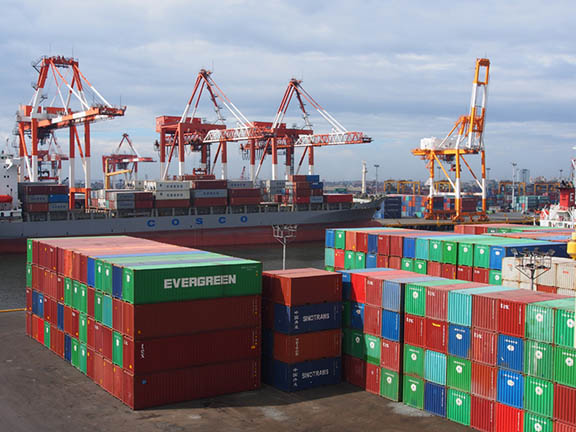
 Container traffic at Cebu ports in 2018 grew 4.3% to 953,739 twenty-foot equivalent units (TEUs) from 914,520 TEUs handled in 2017, data from the Cebu Port Authority (CPA) showed.
Of the total, 60% were domestic containers at 567,814 TEUs, 3.4% higher than the 548,910 TEUs serviced in 2017.
The volume of foreign containers, which accounted for the 40%, also improved 5.6% in 2018 to 385,925 TEUs from 365,610 TEUs the preceding year.
Majority of the containers that entered Cebu port were handled at Cebu International Port (CIP) and Pier 4, which contributed 413,820 TEUs and 409,050 TEUs to the total, respectively.
Non-containerized cargoes likewise rose, up 10.8% last year to 43.664 million metric tons (mt) from 39.412 million mt in 2017.
Domestic non-containerized cargoes, which contributed 77.5% of the total, recorded 33.845 million mt in 2018, or 7.7% up from 31.438 million mt in 2017.
Foreign non-containerized cargoes, which comprised 22.5% of the total, jumped 23% to 9.819 million mt from 7.975 million mt.
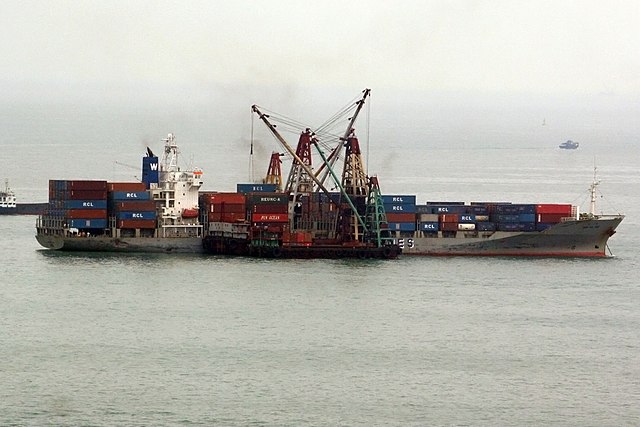
Ship calls in 2018 were 1.9% higher at 139,129 vessels from 136,505 ships previously. Domestic vessels that called Cebu ports rose 2% in number to 138,055 from 135,367. Foreign calls, however, declined 6% to 1,074 from 1,138.
Passenger traffic also improved in 2018, recording a 4.8% increase to 21.961 million passengers from 20.946 million passengers in 2017.
CPA earlier said it is expanding berths 7 and 8 of the Cebu base port to allow quay cranes to be installed and to improve the productivity of domestic shipping lines calling the port.
Private cargo-handling operator Oriental Port and Allied Services Corp, in cooperation with CPA, is also implementing a series of projects to further expand capacity at CIP in view of the growing volumes handled by the terminal.
Aside from expanding the capacity of the main port, the Department of Transportation last year had started inviting bidders to provide consultancy services for the New Cebu International Container Port project.
A new international terminal is seen as the long-term solution to the growing volumes handled at CIP, the current base port. It is seen not only to free up the base port but also to enhance the transport infrastructure system to allow for the unimpeded flow of goods and services in the Visayas. Several feasibility studies, the most recent one by the Export-Import Bank of Korea, suggest locating the new sea hub in Tayud, Consolacion, some 8 kilometers from the Cebu base port. – Roumina Pablo