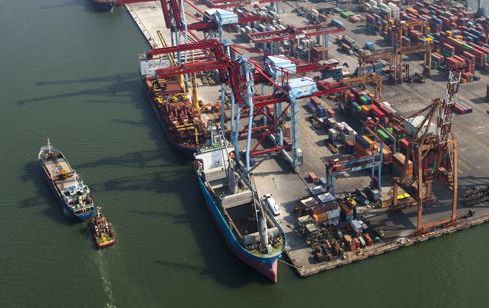
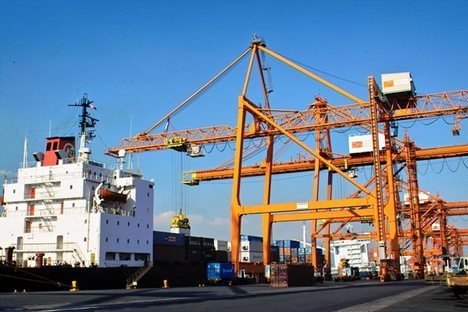
An intermodal transport expert is urging the Philippines to adopt policy changes in order to have a more effective intermodal transport system.
"The Philippines is really well ahead of its counterparts in terms of intermodal transport concepts" with the introduction of the Strong Republic Nautical Highway, said Dr. Patrick Sherry, resource person at the recent 2010 Intermodal and Global Supply Chain Business Conference.
"However, the Philippines should consider adopting several changes in its policies starting from decongesting its ports and freeing up major highways from traffic," he said, noting this takes strong political will to accomplish.
Sherry recommends the construction of a railway system which will lessen the need for trucks to service ports, thus cutting congestion. Among ports that would benefit from this are the Manila International Container Terminal, South Harbor and Batangas Port in Luzon as well as major ports in Visayas and Mindanao such as Cebu, Davao, General Santos, he said. Based on estimates, at least $500 million is required for such an extensive rail infrastructure.
Sherry also cited the need to cut the number of buses and jeepneys plying major thoroughfares. The number-coding scheme, he added, is not enough to address congestion, which slows down movement of goods and is a deterrent to investments.
The Department of Transportation and Communication recently completed its intermodal transport plan, a requirement in the implementation of the Asean Economic Community (AEC) starting 2012. Under the AEC, each of the ASEAN member nations will integrate their respective dedicated transport corridors with other ASEAN members'.
Under the Philippine intermodal transport plan, airports, seaports and railways in regions identified by the previous Arroyo administration – the North Luzon Agri-Business Quadrangle, Metro Luzon Urban Beltway Region, Central Philippines, and Mindanao- are considered priority development areas.