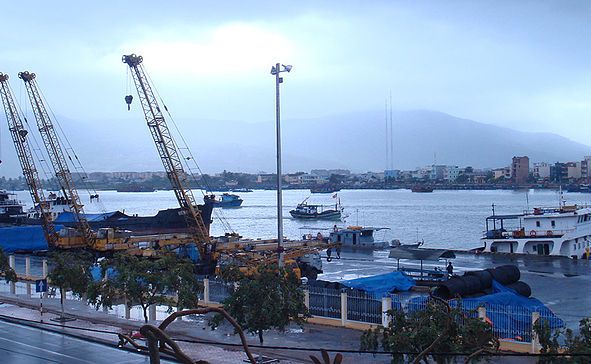
THE Manila North Harbour Port, Inc (MNHPI) is asking the Supreme Court (SC) to dismiss a Philippine Liner Shipping Association (PLSA) petition seeking to nullify the North Harbor contract.
MNHPI, which holds the 25-year operation and management contract for the port, claimed the petition lacks merit and some PLSA arguments are merely a rehash of earlier petitions already ruled with finality by the High Court.
The PLSA petition was filed following MNHPI’s failure to comply with the minimum cargo-handling requirement under the contract and its imposition of a 5% concession fee on ancillary services.
MNHPI said PLSA has no legal standing and is just trying to derail the project to advance its own interest. The port operator explained the status quo pushed by the association will generate sizeable profits for its member carriers but leaves much to be desired in terms of safety and efficiency.
“The legality of the project has already been confirmed and affirmed by the SC in 3 separate cases,” Mark Vincent Z. Escalona, who represents the MNHPI legal team, said, adding that the PPA followed all processes in the bidding and awarding of the North Harbor contract.
MNHPI also claimed PLSA failed to file its petition within the period provided for by the Rules of Court, or 60 days from November 19, 2009; PLSA filed the complaint 140 days later.
PLSA is preparing its response to the MNHPI petition and may file it next week.