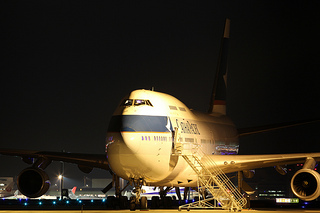
 Hong Kong’s Cathay Pacific Airways said combined cargo and mail volumes for Cathay Pacific and Dragonair decreased in April 2013 year-over-year.
The sister airlines carried 123,805 tonnes of cargo and mail last month, a decrease of 0.6 percent compared to April 2012. The cargo and mail load factor fell by 2.5 percentage points to 60.8 percent. Capacity, measured in available cargo and mail tonne kilometers, grew by 1.5 percent, while cargo and mail revenue tonne kilometers were down by 2.4 percent.
In the first four months of 2013, the tonnage dropped 1.2 percent while capacity decreased 3.2 percent.
“The air cargo market took a major dip in April 2011 and has remained in the doldrums for two consecutive years—an unprecedented period of time for the markets to remain weak,” said Cathay Pacific general manager for cargo sales and marketing James Woodrow.
“While our tonnage last month was almost on a par with the same month in 2012, it was almost 30,000 tonnes behind what we achieved in April 2010,” he added.
Seeing no sign of any sustained pickup, Woodrow said they would continue to adjust freighter capacity to demand and increase their freighter fleet’s efficiency.
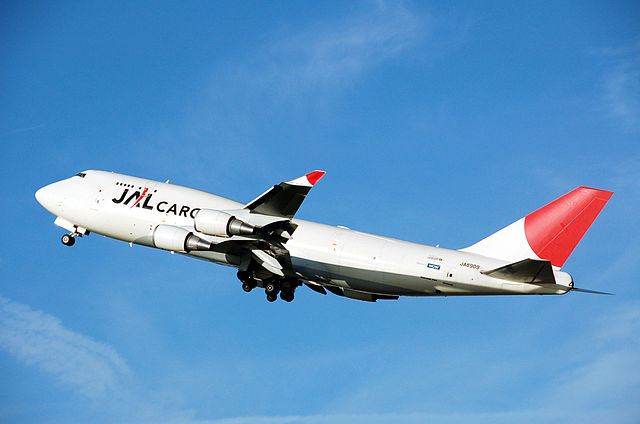
Photo: Kentaro IEMOTO@Tokyo